 EN
EN


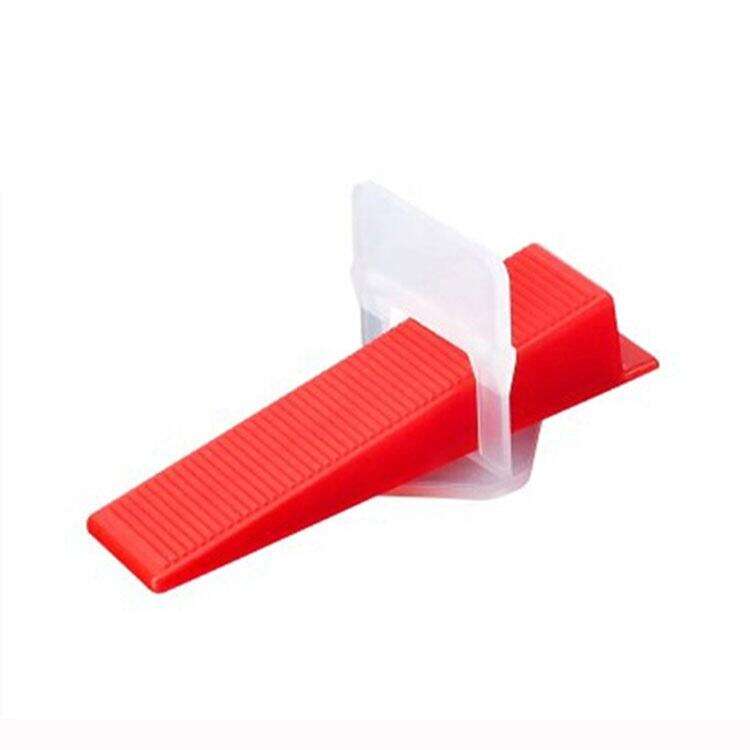
Professional tile installation requires precision and expertise to achieve flawless results that stand the test of time. One of the most critical challenges facing tile installers is preventing lippage, which occurs when adjacent tiles sit at different heights, creating an uneven surface that compromises both aesthetics and functionality. A high-quality tile leveling system has revolutionized the way professionals approach this challenge, providing the tools necessary to maintain consistent height across entire installations. Understanding how to properly implement these systems can transform your tiling projects from good to exceptional, ensuring customer satisfaction and professional reputation.
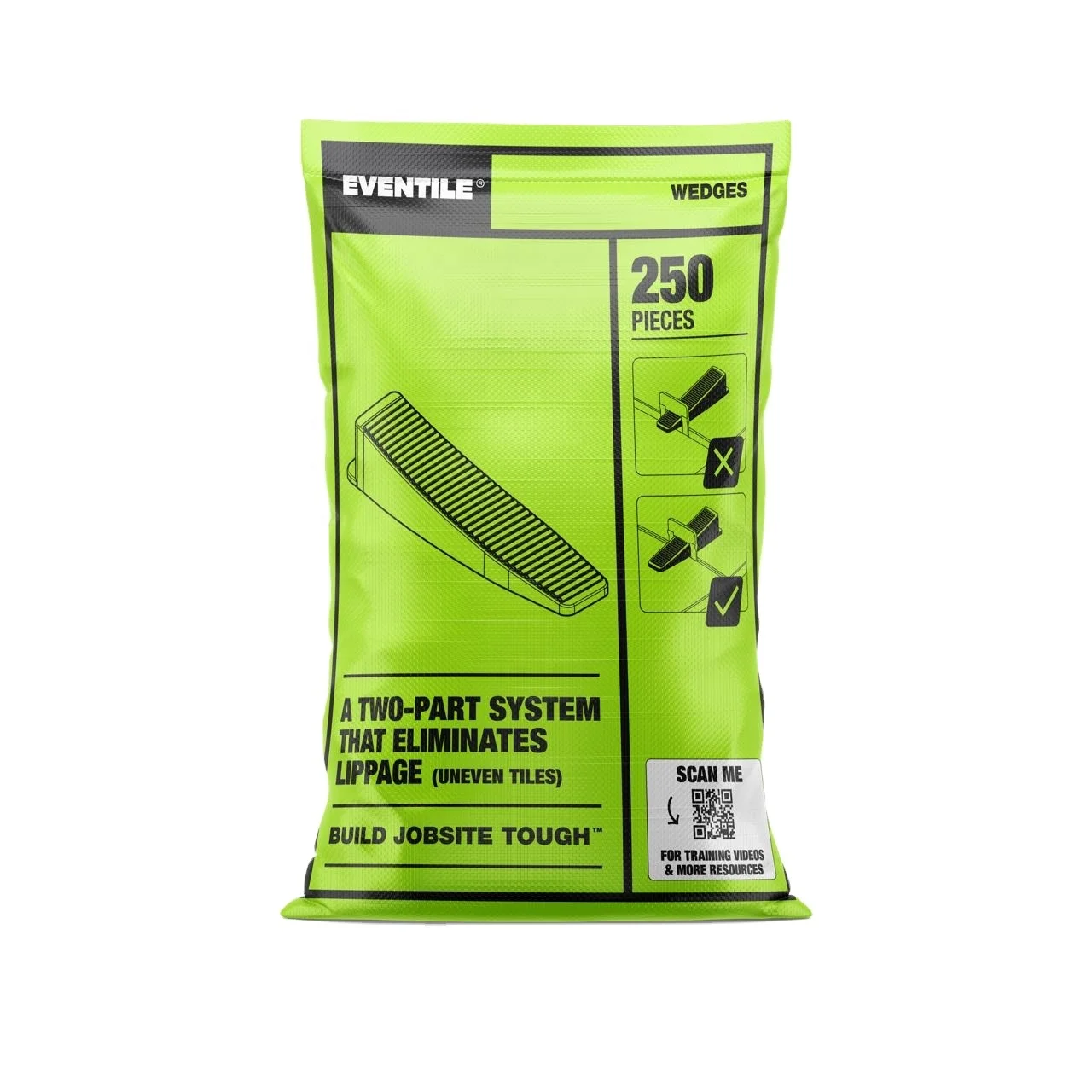
Understanding Tile Lippage and Its Impact
What Causes Tile Lippage
Tile lippage occurs due to several factors that can affect even experienced installers. Substrate irregularities represent the primary cause, as uneven floors or walls create height variations that translate directly to the tile surface. Natural variations in tile thickness, particularly with handmade or rustic tiles, contribute significantly to this problem. Additionally, improper adhesive application can create inconsistent bedding that results in tiles sitting at different elevations. Environmental factors such as temperature and humidity changes during installation can also affect adhesive curing and tile positioning.
The consequences of lippage extend beyond mere aesthetics, creating functional problems that can lead to costly repairs. Uneven tile surfaces create trip hazards, particularly in commercial settings where liability concerns are paramount. Lippage also creates areas where dirt and debris accumulate, making cleaning difficult and compromising hygiene standards. In extreme cases, height differences between tiles can cause cracking or chipping as foot traffic creates stress concentrations at the edges of raised tiles.
Industry Standards and Acceptable Tolerances
Professional installation standards define acceptable lippage tolerances based on tile size and installation location. The American National Standards Institute (ANSI) A108 series provides specific guidelines that vary from 1/32 inch for tiles under 15 inches to 1/16 inch for larger format tiles. These standards become increasingly important in commercial applications where accessibility compliance requires smooth, even surfaces. Understanding these tolerances helps installers determine when a tile leveling system becomes essential for meeting professional standards.
European standards often impose even stricter requirements, particularly for large format tiles commonly used in contemporary designs. These international standards reflect the growing demand for precision in tile installation as consumers become more discerning about quality. Professional installers who consistently meet or exceed these standards build reputations that command premium pricing and repeat business.
Components and Mechanics of Tile Leveling Systems
Essential System Components
A comprehensive tile leveling system consists of several interconnected components that work together to maintain consistent height across installations. The base clips or straps form the foundation of the system, designed to span the joint between adjacent tiles while providing a stable reference point. These components must be manufactured to precise tolerances to ensure consistent performance across entire installations. Wedges or caps provide the adjustable element that allows fine-tuning of tile height, while spacers maintain consistent joint width throughout the installation.
The quality of materials used in system construction directly impacts performance and durability. High-grade polymers resist breakage under pressure while maintaining dimensional stability across temperature variations. Metal components, when present, must resist corrosion and provide consistent spring tension throughout the installation process. The engineering behind these systems reflects decades of development and refinement, resulting in tools that significantly reduce installation time while improving quality.
Installation Process and Technique
Proper installation technique maximizes the effectiveness of any tile leveling system. The process begins with substrate preparation, ensuring the surface meets flatness requirements specified by industry standards. Adhesive application must be consistent and appropriate for the tile and system being used, with proper trowel selection critical for achieving the right bed thickness. The tile leveling system components are positioned during tile placement, with timing critical to ensure proper adhesive bond while maintaining adjustability.
The adjustment phase requires careful attention to detail and systematic approach to ensure uniform results. Working methodically across the installation area prevents the creation of waves or other irregularities that can occur when adjustments are made randomly. Professional installers develop sequences and techniques that maximize efficiency while maintaining quality, often completing adjustments in multiple passes to achieve optimal results.
Selecting the Right System for Your Project
Tile Size and Format Considerations
Different tile sizes and formats require specific approaches to leveling system selection. Large format tiles, typically defined as those exceeding 15 inches in any dimension, present unique challenges due to their size and weight. These tiles are more susceptible to substrate irregularities and require robust leveling systems capable of handling significant loads. The spacing between leveling points becomes critical with larger tiles, as insufficient support can allow flexing that compromises the adhesive bond.
Small format tiles, while easier to handle individually, present challenges in maintaining consistent height across large areas. The cumulative effect of small variations can create noticeable patterns or waves that detract from the overall appearance. Mosaic and specialty shaped tiles require adapted techniques and sometimes specialized system components to achieve professional results. Understanding these requirements helps ensure proper system selection before beginning installation.
Material Compatibility and Performance
System compatibility with different tile materials affects both performance and final appearance. Natural stone tiles often have greater thickness variations and may require systems with extended adjustment ranges. Porcelain and ceramic tiles typically offer more consistent dimensions but may be more prone to chipping if excessive pressure is applied during leveling. Glass tiles present unique challenges due to their transparency and potential for visible system components showing through the material.
The adhesive system used must be compatible with both the tile material and the leveling system components. Some adhesives may interact with plastic components, while others may not provide sufficient working time for complex installations. Temperature and humidity conditions during installation can affect both adhesive performance and system operation, requiring adjustments to technique and timing.
Installation Best Practices
Surface Preparation Requirements
Proper surface preparation forms the foundation of successful tile leveling system implementation. Substrate flatness requirements become more stringent when using leveling systems, as these tools can only compensate for limited irregularities. Checking flatness with appropriate tools and correcting deficiencies before beginning tile installation saves time and ensures optimal system performance. Primer application, when required, must be completed and fully cured before tile installation begins.
Moisture conditions in the substrate can affect both adhesive performance and system operation. Concrete substrates may require moisture testing and mitigation before installation proceeds. Wood substrates must be properly prepared and may require additional considerations for seasonal movement. Understanding these requirements prevents installation failures that could compromise the entire project.
System Application Techniques
Systematic application of tile leveling system components ensures consistent results across the entire installation. Starting from the most critical visual areas and working outward helps establish proper height references that guide the remainder of the installation. The spacing of system components must be appropriate for the tile size and installation conditions, with closer spacing required for tiles with greater thickness variations or less rigid substrates.
Timing considerations become critical when working with tile leveling system installations. The adhesive must remain workable long enough to allow system adjustment while developing sufficient strength to support the tiles. Working in manageable sections prevents rushing and allows proper attention to detail throughout the installation process. Professional installers often develop specific sequences that maximize efficiency while maintaining quality standards.
Troubleshooting Common Issues
System Component Problems
Even high-quality tile leveling system components can occasionally present challenges that require troubleshooting and adjustment. Clips that break during installation may indicate excessive force application or defective components that should be replaced. Wedges that slip or fail to maintain position often result from improper installation technique or incompatible adhesive systems. Identifying these issues early in the installation process prevents widespread problems that could require extensive rework.
Component removal timing affects both the final appearance and the ease of cleanup. Removing components too early may allow tiles to shift before the adhesive fully cures, while waiting too long can make removal difficult and may damage the tile surface. Understanding the curing characteristics of specific adhesives helps determine optimal removal timing for different installation conditions.
Installation Environment Challenges
Environmental conditions during installation can significantly impact tile leveling system performance. High humidity may extend adhesive working time but can also affect component materials and dimensional stability. Low humidity conditions may reduce working time and require adjustments to installation technique and timing. Temperature extremes can affect both adhesive curing and the performance of plastic system components.
Dust and debris in the installation environment can interfere with system operation and compromise final appearance. Maintaining clean work areas and protecting installed areas during construction helps ensure optimal results. Proper ventilation becomes important when working with adhesives and sealers that may emit vapors affecting both worker safety and system performance.
Advanced Applications and Techniques
Large Format Tile Installations
Large format tiles present unique challenges that require specialized approaches to tile leveling system implementation. The increased surface area of these tiles magnifies substrate irregularities and makes precise leveling critical for professional results. System spacing must be calculated based on tile dimensions and substrate conditions to provide adequate support without creating stress concentrations. Professional installers often use multiple system types in combination to address the specific requirements of large format installations.
The weight of large format tiles requires consideration of both system load capacity and adhesive bed thickness. Insufficient support can lead to tile sagging or cracking, while excessive system density may interfere with proper adhesive flow and bonding. Balancing these requirements requires experience and understanding of material properties and installation dynamics.
Complex Pattern and Layout Applications
Complex tile patterns and layouts benefit significantly from tile leveling system implementation but require adapted techniques to achieve optimal results. Running bond, herringbone, and diagonal patterns create challenging alignment requirements that traditional installation methods struggle to address consistently. System placement must be planned to provide support at critical points while maintaining pattern integrity and joint consistency.
Mixed tile sizes within single installations require careful system selection and application to accommodate different requirements. Transition areas between different tile types or sizes often represent the most challenging aspects of complex installations. Professional installers develop specialized techniques for these situations that ensure smooth transitions and consistent appearance across the entire project.
Quality Control and Final Results
Inspection and Verification Procedures
Systematic inspection procedures ensure that tile leveling system installations meet professional standards and customer expectations. Visual inspection identifies obvious height variations and pattern irregularities that may require correction before final cleanup. Straightedge testing provides quantitative measurement of surface flatness and helps verify compliance with applicable standards. These procedures should be conducted systematically across the entire installation area to identify any areas requiring attention.
Documentation of inspection results provides valuable information for future projects and helps identify areas for technique improvement. Professional installers often photograph critical areas and maintain records of system performance under different conditions. This information becomes invaluable for troubleshooting and continuous improvement of installation techniques and system selection.
Long-term Performance Considerations
The long-term performance of tile installations using leveling systems depends on several factors beyond initial installation quality. Substrate movement, environmental conditions, and usage patterns all affect how installations perform over time. Understanding these factors helps installers make recommendations for maintenance and care that preserve installation appearance and functionality. Proper grouting and sealing become critical for protecting the installation and maintaining the benefits achieved through careful leveling.
Regular maintenance procedures help identify potential issues before they become significant problems. Monitoring joint condition, surface wear patterns, and overall appearance provides early warning of issues that may require attention. Professional installers often provide maintenance recommendations and schedules that help customers protect their investment and maintain optimal appearance throughout the installation lifecycle.
FAQ
How much time does a tile leveling system add to installation
While tile leveling system implementation requires additional initial setup time, most professional installers find that overall project time actually decreases due to reduced need for corrections and rework. The system eliminates time spent manually adjusting individual tiles and reduces the extensive cleanup often required with traditional methods. Most installers report that after becoming proficient with system use, total installation time is comparable to or less than traditional methods while achieving superior results.
Can tile leveling systems be used with all types of adhesives
Most modern tile leveling system components are designed for compatibility with standard tile adhesives, but specific combinations should always be verified before beginning installation. Rapid-set adhesives may not provide sufficient working time for system adjustment, while some specialty adhesives may interact with plastic components. Consulting manufacturer recommendations and conducting small test areas helps ensure compatibility and optimal performance for specific project conditions.
What happens if system components are left in place too long
Leaving tile leveling system components in place beyond recommended removal times can make removal difficult and may damage tile surfaces or grout joints. Most systems are designed for removal within specific timeframes that coincide with adhesive curing stages. If components become difficult to remove, gentle techniques using appropriate tools can usually extract them without damage, though this may require additional cleanup and touch-up work.
Are tile leveling systems cost-effective for small projects
The cost-effectiveness of tile leveling system implementation depends on project size, tile type, and quality requirements rather than just square footage. Small bathroom installations using large format tiles often benefit significantly from system use, while simple installations with small, uniform tiles may not justify the additional cost. Professional installers consider factors including customer expectations, tile characteristics, and substrate conditions when determining whether system use provides sufficient value for specific projects.