 EN
EN


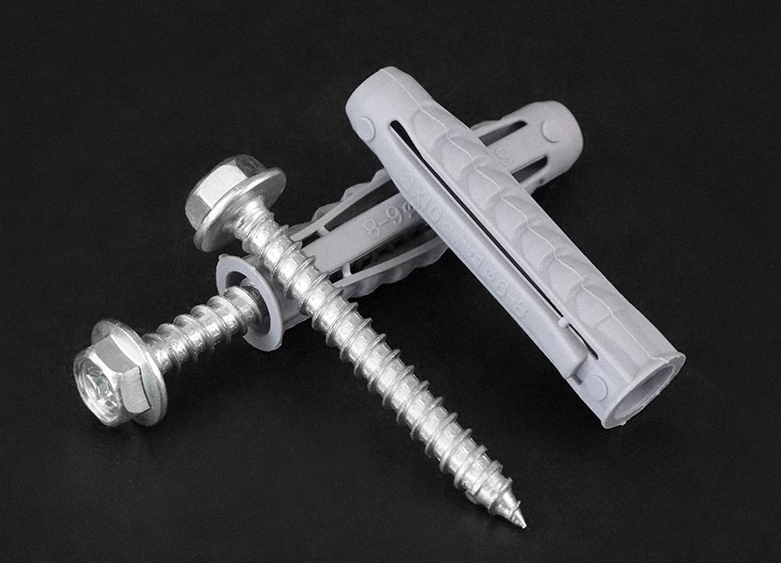
Կառուցվածքային տեղադրումները պահանջում են ամենաբարձր անվտանգության և հուսալիության մակարդակ, հատկապես ծանր բեռներ կամ կարևորագույն մասեր պատերին և մակերեսներին ամրացնելիս: Պատի ամրագոտիները հանդիսանում են ամրացված օբյեկտների և կառուցվածքային հիմքի հիմնարար կապը՝ ապահովելով կարևորագույն բեռի բաշխում և կայունություն, որը կանխում է կատաստրոֆիկ ձախողումները: Այս ամրացման լուծումների կողմից անվտանգության ընթադարձական բարելավումը հասկանալու համար պահանջվում է ուսումնասիրել դրանց մեխանիկական հատկությունները, տեղադրման պահանջները և աշխատանքային բնութագրերը տարբեր կիրառությունների ընթացքում:
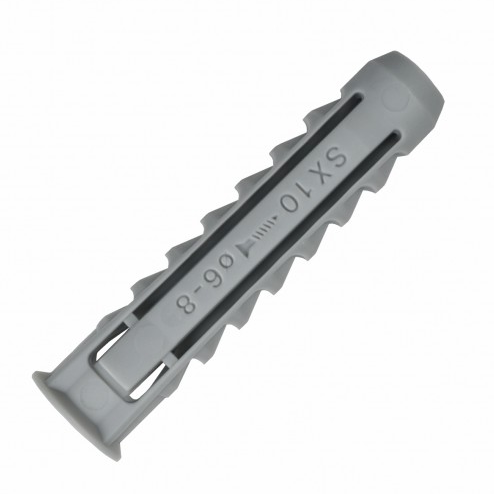
Անկերների անվտանգության հետևողական ինժեներական սկզբունքները ներառում են նյութերի ֆիզիկայի, բեռի դինամիկայի և հիմքի համատեղելիության միջև բարդ փոխազդեցություններ: Ժամանակակից պատաստի անկերները օգտագործում են առաջադեմ նյութեր և կոնստրուկտիվ լուծումներ, որոնք գերազանցում են ավանդական ամրացման մեթոդներին ինչպես բռնման կարողությամբ, այնպես էլ երկարաժամկետ հուսալիությամբ: Այս բարելավումները անմիջապես նպաստում են կառուցվածքային տարրերի անվտանգության ավելի մեծ արժեքներին՝ նվազեցնելով անկերի դուրս քաշվելու, նյութի կորուստների և համակարգի աստիճանական ձախողման ռիսկերը:
Անկերային համակարգերում բեռի բաշխման մեխանիզմներ
Մեխանիկական բեռի փոխանցման սկզբունքներ
Պատի անկայունները հասնում են գերազանց անվտանգության ցուցանիշների՝ օգտագործելով բարդ բեռի բաշխման մեխանիզմներ, որոնք տարածում են կիրառվող ուժերը ավելի մեծ ենթաշերտի տարածքներով: Սովորական ամրացման մեթոդները հաճախ ստեղծում են կենտրոնացված լարվածության կետեր, որոնք կարող են հանգեցնել տեղական ձախողումների, մինչդեռ ճիշտ նախագծված անկայունների համակարգերը բեռը բաշխում են մի քանի շփման գոտիներով և մեխանիկական միջանկեղներով: Բեռի այս բաշխված բեռավորման մոտեցումը զգալիորեն նվազեցնում է գագաթնային լարվածությունները և բարելավում կառուցվածքային միացումների ընդհանուր անվտանգության գործակիցը:
Պատի անկերների երկրաչափությունը և ընդարձակման բնութագրերը կրող հզորությունների արդյունավետ փոխանցման օպտիմալացման գործընթացում կարևոր դեր են խաղում: Առաջադեմ անկերների կոնստրուկցիաները ներառում են բազմաթիվ ընդարձակման գոտիներ, հատուկ հենարաններ և վերահսկվող դեֆորմացիայի օրինաչափություններ, որոնք առավելագույնի հասցնում են շինարանի նյութի հետ կոնտակտային մակերեսը: Այս առանձնահատկությունները ապահովում են, որ կիրառված բեռները փոխանցվեն ամրացման շինարանի ամենաամուր հատվածներով, խուսափելով թույլ գոտիներից կամ հնարավոր ձախողման հարթություններից, որոնք կարող են վտանգել տեղադրման ամբողջականությունը:
Դինամիկ պատասխան և թրթռման դիմադրություն
Ժամանակակից կոնստրուկտիվ միջավայրերում տեղադրումները հաճախ ենթարկվում են դինամիկ բեռնման պայմանների, ներառյալ թրթիռների, ջերմային ցիկլավորման և հարվածային ուժերի։ Անվտանգության կրիտիկական կիրառումների համար նախատեսված պատի անկյունակետերը ներառում են այնպիսի հատկանիշներ, որոնք ապահովում են ամրացված միացումներ այս դժվարին պայմաններում։ Գագաթնակետային անկյունակետերի նորագույն նյութերը ցուցադրում են գերազանց դիմադրություն կայունության նկատմամբ, իսկ հատուկ երկրաչափական ձևերը ապահովում են բարելավված բռնում և պահման հատկություններ, որոնք կանխում են անջատումը ժամանակի ընթացքում:
Անկյունակետերի համակարգերի դինամիկ արդյունավետությունը ուղղակիորեն ազդում է կոնստրուկտիվ տեղադրումներում երկարաժամկետ անվտանգության արդյունքների վրա։ Անկյունակետերը, որոնք պահպանում են հաստատուն պահող ուժը ցիկլային բեռնման պայմաններում, նվազեցնում են աստիճանաբար զարգացող անջատման ռեժիմների ռիսկը՝ տեղադրման ծառայողական կյանքի ընթացքում։ Այս հուսալիությունը հատկապես կարևոր է այն դեպքերում, երբ պարբերական ստուգումներն ու նորոգումները կարող են դժվար կամ թանկ լինել:
Նյութերի գիտություն և անվտանգության բարելավում
Առաջադեմ պոլիմերային ինժեներական լուծումներ
Ժամանակակից պատի անկայունները օգտագործում են բարդ պոլիմերային ձևավորումներ, որոնք ավելի բարձր անվտանգության հատկանիշներ են ապահովում համեմատած ավանդական նյութերի հետ: Բարձր կատարողականությամբ պլաստմասսաները և ինժեներական կոմպոզիտները առաջարկում են գերազանց կոռոզիայի դիմադրություն, չափային կայունություն և մեխանիկական հատկություններ, որոնք երկարատև շահագործման ընթացքում պահպանում են կայուն արդյունք: Այս նյութերի բարելավումները ուղղակիորեն թարգմանվում են ավելի բարձր անվտանգության միջակայքերի և կառուցվածքային տարրերի նկատմամբ նվազագույն սպասարկման պահանջների:
Ընդհանուր առմամբ առաջադեմ անկայունների նյութերի քիմիական դիմադրությունը կանխում է դեգրադացիան շրջակա միջավայրի ազդեցության, քիմիական մաքրող միջոցների և մթնոլորտային աղտոտիչների ազդեցությամբ: Այս մաշվածականությունը ապահովում է, որ անվտանգության կարևոր միացումները պահպանում են իրենց նախագծային կատարողականությունը նախատեսված ծառայողական կյանքի ընթացքում, ինչը նվազեցնում է նյութի վատթարացման պատճառով անսպասելի անհաջողությունների ռիսկը: Ժամանակակից պատի անկայուններ օգտագործում են այս առաջադեմ նյութերը՝ ապահովելով գերազանց երկարաժամկետ հուսալիություն:
Ծանրության և ամրության օպտիմալացում
Գերազանց ամրագրման կոնստրուկցիաները հասնում են օպտիմալ ամրության և քաշի հարաբերակցության՝ մատնանշված նյութերի ընտրության և երկրաչափական օպտիմիզացիայի շնորհիվ: Թեթև ամրագրերը նվազեցնում են համակարգի ընդհանուր զանգվածը՝ պահպանելով կամ բարելավելով բեռի կրող ունակությունը, ինչը բարձրացնում է անվտանգությունը՝ նվազեցնելով իներցիոն ուժերը, որոնք առաջանում են դինամիկ բեռնավորման դեպքերի ընթացքում: Այս օպտիմիզացիան նաև պարզեցնում է տեղադրման ընթացակարգերը և նվազեցնում է տեղադրող անձնակազմի վրա դրված ֆիզիկական պահանջները:
Ժամանակակից պատի ամրագրերի թեթև հատկանիշները նաև նպաստում են տեղադրման ընթացքում անվտանգության բարելավմանը: Թեթև մասերը ավելի հեշտ է ճիշտ դիրքավորել, նվազեցնում են տեղադրման սխալների ռիսկը և կրճատում են տեղադրման և դիրքավորման ընթացքում վթարների հնարավորությունը: Այս գործոնները միասին ապահովում են ինչպես վերջնական ամրագրման անվտանգությունը, այնպես էլ ինքնընթաց տեղադրման ընթացակարգի անվտանգությունը:
Տեղադրման անվտանգություն և որակի վերահսկում
Ստանդարտացված տեղադրման ընթացակարգեր
Անվտանգությունը կրիտիկական նշանակություն ունեցող հավաքականների համար նախատեսված պատի անկայները ներառում են ստանդարտացված տեղադրման ընթացակարգերի և որակի ստուգման հնարավորություններ, որոնք աջակցում են հստակ տեղադրման հրահանգներ, ճշգրիտ չափադիմացիոն հանդուրժողականություն և տեսողական հաստատման հնարավորություններ, որոնք օգնում են ապահովել, որ անկայները ճիշտ են տեղադրված և հասնում են իրենց նախագծված աշխատանքային բնութագրերին: Այս ստանդարտացման տարրերը նվազեցնում են տեղադրման սխալների հնարավորությունը, որոնք կարող են վտանգել անվտանգությունը:
Պատի խարիսխների ճիշտ տեղադրման տեխնիկան ներառում է անցքերի պատրաստմանը, խարիսխի ներդրման խորությանը և ընդարձակման ստուգմանը ուշադիր ուշադրություն դարձնելը: Ժամանակակից խարիսխների դիզայնը ներառում է այնպիսի գործառույթներ, ինչպիսիք են տեղադրման խորության ցուցիչները, ընդարձակման հաստատման մեխանիզմները և պտտող մոմենտը սահմանափակող տարրերը, որոնք օգնում են տեղադրողներին հասնել կայուն արդյունքների: Այս դիզայնի առանձնահատկությունները անմիջականորեն նպաստում են անվտանգության բարելավմանը՝ նվազեցնելով տեղադրման որակի փոփոխականությունը:
Որակի ապահովման և փորձարկման արձանագրություններ
Ժամանակակից պատաստի անկայուններն անցնում են ընդարձակ փորձարկման ընթացակարգեր, որոնք հաստատում են դրանց անվտանգության աշխատանքը տարբեր բեռնման պայմաններում և շրջակա միջավայրի ազդեցության դեպքում: Այդ փորձարկման ընթացակարգերին ներառվում է դուրս քաշման ուժի ստուգում, ցիկլային բեռնման գնահատականներ, շրջակա միջավայրի մաշվածության փորձարկում և որակի վերահսկողության ստուգումներ, որոնք ապահովում են արտադրության համապատասխան ստանդարտները: Այդպիսի համապարփակ փորձարկումները վստահություն են տալիս անկայունների անվտանգության աշխատանքի վերաբերյալ:
Բարձրորակ պատաստի անկայունների հետ կապված փաստաթղթերը և հետևելիությունը հնարավորություն են տալիս ճիշտ ընտրելու սպեցիֆիկացիան և հաստատելու աշխատանքը կիրառման համար կոնկրետ դեպքերում: Մանրամասն տեխնիկական տվյալները, տեղադրման հանձնարարականները և աշխատանքի վերաբերյալ վավերագրերը աջակցում են ինժեներական վերլուծությանը և կանոնակարգային համապատասխանության պահանջներին: Փաստաթղթավորման այս հիմնարկը ավելի ապահով է դարձնում անկայունների ճիշտ համապատասխանությունը կիրառման պահանջներին և տեղադրումը՝ հիմնված հաստատված լավագույն պրակտիկաների վրա:
Կիրառման հատուկ անվտանգության համար հաշվի առնելի հանգամանքներ
Բարձր ծանրաբեռնվածությամբ կառուցվածքային կիրառություններ
Բարձր ծանրաբեռնվածությամբ կառուցվածքային կիրառությունների համար անվտանգության պահանջները պահանջում են պատի անկյունափակներ, որոնք ունեն արտակարգ ամրության բնութագրեր և ստուգված աշխատանք չափազանց ծանր պայմաններում։ Այդ կիրառությունների ժամանակ հաճախ անհրաժեշտ է ապահովել ծանր սարքավորումների, կառուցվածքային մասերի կամ անվտանգության կրիտիկական համակարգերի ամրությունը, որոնց անսարքությունը կարող է հանգեցնել լուրջ հետևանքների։ Այդ կիրառությունների համար նախատեսված առաջադեմ անկյունափակների կոնստրուկցիաները ներառում են բազմաթիվ անվտանգության գործոններ և հուսալի ծանրաբեռնվածության անցքեր, որոնք ապահովում են արտակարգ հուսալիություն։
Բարձր բեռնվածության պատի անկյունակների ընտրության չափանիշները ներառում են վերջնական ամրության, աշխատանքային բեռի սահմանափակումների, անվտանգության գործակիցների և երկարաժամկետ աշխատանքային բնութագրերի համապարփակ գնահատում: Ճարտարապետները պետք է հաշվի առնեն ոչ միայն անմիջական բեռնման պայմանները, այլ նաև հնարավոր չափազանց բեռնվածության սցենարները, շրջակա միջավայրի գործոնները և ծառայողական ընդունակության պահանջները: Այս կիրառությունների համար ճիշտ անկյունակների ընտրությունը և տեղադրումը պահանջում է մանրամասն տեխնիկական վերլուծություն և հաստատված ճարտարապետական ստանդարտներին հետևելու պահանջ:
Երկրաշարժերի և դինամիկ բեռնման պայմաններ
Երկրաշարժերի գոտիներում կամ դինամիկ բեռնման պայմաններում կատարված կառուցվածքային տեղադրումները պահանջում են պատի անկյունակներ, որոնք ունեն բարելավված աշխատանքային բնութագրեր՝ ապահովելով միացման ամբողջականությունը չափազանց պայմաններում: Այս հատուկ կիրառությունները պահանջում են անկյունակներ, որոնք օժտված են գերազանց էներգիայի կլանման հատկություններով, վերահսկվող դեֆորմացիոն բնութագրերով և դիմադրությամբ աստիճանական ձախողման տեսակներին, որոնք կարող են առաջանալ երկրաշարժերի ընթացքում:
Սեյսմիկ կիրառությունների համար պատի անկյունային ամրացման կառուցվածքների նախագծումը և փորձարկումը ներառում է դինամիկ պատասխանի բնութագրերի՝ ներառյալ հաճախադրույթի պատասխանի, թուլացման հատկությունների և վերջնական տեղաշարժման հնարավորության բարդ վերլուծություն: Այս կիրառությունների համար նախատեսված ժամանակակից ամրացման համակարգերը ներառում են վերահսկվող թուլացման մեխանիզմներ, էներգիայի դիսիպացիայի տարրեր և երկրաշարժից հետո ստուգման հնարավորություններ, որոնք բարելավում են ընդհանուր համակարգի անվտանգությունն ու հուսալիությունը:
Երկարաժամկետ աշխատանք և սպասարկում
Մաշվածության դիմացկունություն և ծառայելաժամկետի երկարաձգում
Պատի անկյունային ամրացման կառուցվածքները նպաստում են երկարաժամկետ տեղադրման անվտանգությանը՝ ապահովելով բարձր մաշվածության դիմացկունություն, որը պահպանում է կատարողականը երկարատև շահագործման ընթացքում: Գերազանց նյութերը և պաշտպանիչ ծածկույթները դիմադրում են շրջակա միջավայրի վնասակար ազդեցություններին, իսկ հուսալի մեխանիկական կոնստրուկցիաները հնարավորություն են տալիս նորմալ մաշվածություն և ջերմային ցիկլեր՝ առանց կատարողականի նկատելի կորստի: Այս մաշվածության դիմացկունության հատկությունները նվազեցնում են սպասարկման միջամտությունների հաճախադրույթն ու կապված անվտանգության ռիսկերը:
Ժամանակակից պատի անկյունակների կանխատեսելի մաշվածության բնութագրերը հնարավորություն են տալիս կառուցվածքային տարրերի համար առաջնորդված պահպանում և կյանքի ցիկլի պլանավորում կազմել: Լավ կոնստրուացված անկյունակային համակարգերը ցուցաբերում են աստիճանական, կանխատեսելի փոփոխություններ աշխատանքային բնութագրերում, որոնք կարող են հսկվել և կառավարվել սովորական ստուգման ծրագրերի միջոցով: Այս կանխատեսելիությունը բարձրացնում է անվտանգությունը՝ կանխելով անսպասելի անվավաճառությունները և թույլ տալով ժամանակին փոխարինել մաշված տարրերը՝ մինչև աշխատանքային հատկությունների թուլացումը հասնի քննադատական մակարդակի:
Ստուգման և հսկողության հնարավորություններ
Ժամանակակից պատի անկյունակները ներառում են այնպիսի հատկություններ, որոնք աջակցում են ստուգման և աշխատանքային ցուցանիշների հսկողության գործողություններին: Վիզուալ ստուգման ցուցիչները, փորձարկման սարքավորումների համար մատչելիությունը և փաստաթղթավորման համակարգերը հնարավորություն են տալիս օբյեկտի կառավարիչներին պահպանել անկյունակների վիճակի և աշխատանքային հատկությունների մասին տեղեկատվությունը: Այս հսկողության հնարավորությունները կարևոր են երկարաժամկետ կառուցվածքային տարրերում անվտանգությունը պահպանելու համար:
Պատի անկերների համակարգի հետ ժամանակակից հսկողության համակարգերի ինտեգրումը հնարավորություն է տալիս անընդհատ գնահատել միացման ամբողջականությունը և հայտնաբերել հնարավոր խնդիրները: Առաջադեմ տեղադրումները կարող են ներառել բեռի հսկողություն, թրթռման վերլուծություն կամ հեռավար զննման հնարավորություններ, որոնք իրական ժամանակում տեղեկություն են տալիս անկերների աշխատանքի մասին: Այս հսկողության համակարգերը ավելի ապահով են դարձնում շահագործումը՝ հնարավորություն տալով ակտիվ սպասարկում և անմիջապես արձագանքել առաջացող խնդիրներին:
Հաճախ տրամադրվող հարցեր
Ո՞ր գործոններն են որոշում կոնստրուկտիվ կիրառումներում պատի անկերների անվտանգության աշխատանքը
Պատի անկյունափակերի անվտանգության ցուցանիշը կախված է մի քանի կարևոր գործոններից, ներառյալ նյութի հատկությունները, տեղադրման որակը, հիմքի համատեղելիությունը և բեռնվածության պայմանները: Բարձրորակ անկյունափակերը օգտագործում են առաջադեմ նյութեր՝ գերազանց ամրությամբ, տևողականությամբ և կոռոզիայի դիմադրությամբ: Արտադրողի սպեցիֆիկացիաներին համապատասխան ճիշտ տեղադրումը երաշխավորում է բեռի օպտիմալ փոխանցումը և միացման ամբողջականությունը: Հիմքի վերլուծությունը և անկյունափակի ընտրությունը պետք է հաշվի առնեն ամրացման մակերեսի հատուկ հատկանիշները, իսկ բեռնվածության վերլուծությունը պետք է հաշվի առնի ստատիկ, դինամիկ և շրջակա միջավայրի ազդեցությունները, որոնք կկիրառվեն ծառայության ամբողջ ընթացքում:
Ժամանակակից պատի անկյունափակերը ինչպե՞ս են համեմատվում ավանդական ամրացման մեթոդների հետ՝ անվտանգության տեսանկյունից
Ժամանակակից պատի անկայունները ավանդական ամրացման մեթոդներից զգալիորեն ավելի հուսալի են՝ շնորհիվ առաջադեմ նյութերի, օպտիմալ երկրաչափական ձևերի և բեռի ավելի լավ բաշխման հատկանիշների: Ժամանակակից անկայունների կոնստրուկցիաները ավելի բարձր ամրություն-քաշի հարաբերակցություն են ապահովում, գերազանց կոռոզիայի դիմադրություն և ավելի կանխատեսելի աշխատանքային հատկանիշներ, քան հին ամրացման տեխնոլոգիաները: Առաջադեմ անկայունները նաև ներառում են անվտանգության հատկություններ, ինչպիսիք են տեղադրման հաստատման մեխանիզմները, վերահսկվող ընդարձակման հատկանիշները և դինամիկ բեռնման պայմանների դիմադրության բարելավումը, որոնք ապահովում են տեղադրման ընդհանուր հուսալիություն:
Ո՞ր շահագործման պահանջներ են վերաբերում պատի անկայուններին անվտանգության կրիտիկական տեղադրումներում
Անվտանգության կրիտիկական համակարգերում պատի անկայունների սպասարկման պահանջները, որպես կանոն, ներառում են պարբերական տեսողական ստուգումներ, աշխատանքային ցուցանիշների փորձարկումներ և փաստաթղթերի վերանայում: Ստուգման ժամանակացույցները պետք է սահմանվեն՝ հիմնվելով շրջակա միջավայրի պայմանների, բեռի բնույթի և արտադրողի ցուցումների վրա: Տեսողական ստուգումները կենտրոնանում են կոռոզիայի, մեխանիկական վնասվածքների կամ շարժման նշանների վրա, որոնք կարող են ցույց տալ խնդիրների առաջացումը: Կատարողականի փորձարկումները կարող են ներառել դուրս քաշման փորձարկում, մոմենտի ստուգում կամ հատուկ հսկողություն՝ կախված կոնկրետ կիրառման պահանջներից և հասանելիությունից:
Ինչպե՞ս պետք է ինժեներները ընտրեն պատի անկայուններ կոնկրետ կառուցվածքային անվտանգության կիրառումների համար
Ճոպանակների ընտրությունը պետք է իրականացվի բեռի պահանջների, սուբստրատի բնութագրերի, շրջակա միջավայրի պայմանների և անվտանգության գործոնների համապարփակ վերլուծության հիման վրա: Ընտրության գործընթացը սկսվում է ստատիկ, դինամիկ և շրջակա միջավայրի ուժերի մանրամասն վերլուծությունից, որոնք կկիրառվեն շահագործման ընթացքում: Սուբստրատի վերլուծությունը որոշում է ճոպանակի բնութագրերի և ամրացման մակերեսի հատկությունների համատեղելիությունը: Շրջակա միջավայրի գնահատականը հաշվի է առնում ջերմաստիճանային ցիկլերը, քիմիական ազդեցությունները և մթնոլորտային պայմանները: Անվտանգության գործոնի վերլուծությունը երաշխավորում է ակնկալվող բեռնման պայմաններից բավարար արժեքի ավելցուկ, իսկ կանոնակարգային համապատասխանության ստուգումը՝ գործող նորմերին և ստանդարտներին համապատասխանությունը:
Բովանդակության աղյուսակ
- Անկերային համակարգերում բեռի բաշխման մեխանիզմներ
- Նյութերի գիտություն և անվտանգության բարելավում
- Տեղադրման անվտանգություն և որակի վերահսկում
- Կիրառման հատուկ անվտանգության համար հաշվի առնելի հանգամանքներ
- Երկարաժամկետ աշխատանք և սպասարկում
-
Հաճախ տրամադրվող հարցեր
- Ո՞ր գործոններն են որոշում կոնստրուկտիվ կիրառումներում պատի անկերների անվտանգության աշխատանքը
- Ժամանակակից պատի անկյունափակերը ինչպե՞ս են համեմատվում ավանդական ամրացման մեթոդների հետ՝ անվտանգության տեսանկյունից
- Ո՞ր շահագործման պահանջներ են վերաբերում պատի անկայուններին անվտանգության կրիտիկական տեղադրումներում
- Ինչպե՞ս պետք է ինժեներները ընտրեն պատի անկայուններ կոնկրետ կառուցվածքային անվտանգության կիրառումների համար