 EN
EN


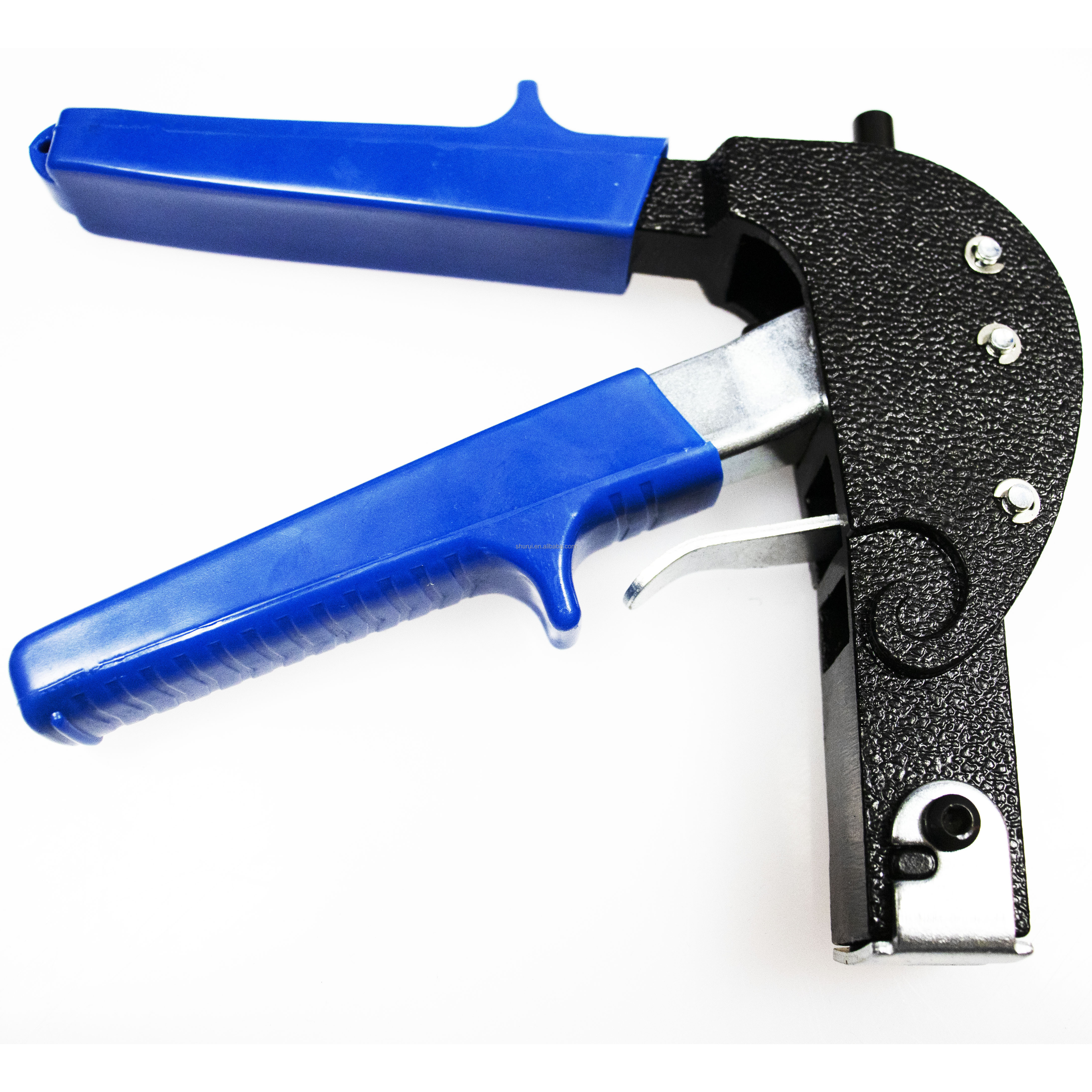
Podczas mocowania ciężkich przedmiotów do ścian wybór odpowiedniego rozwiązania łączącego ma kluczowe znaczenie dla bezpieczeństwa i integralności konstrukcji. Fachowi wykonawcy, jak i entuzjaści samodzielnego budownictwa wiedzą, że standardowe kotwice po prostu nie są w stanie wytrzymać znacznych obciążeń bez ryzyka uszkodzenia. Wybór odpowiedniej kotwica metalowa do ściany o dużej nośności system wymaga starannego rozważenia wielu czynników, w tym nośności, typu ściany, wymagań montażowych oraz trwałości długoterminowej. Zrozumienie tych elementów zapewnia skuteczny montaż, który utrzyma swoją siłę zaczepienia przez czas, zapobiegając kosztownym uszkodzeniom lub potencjalnym zagrożeniom bezpieczeństwa.

Zrozumienie wymagań dotyczących obciążenia i specyfikacji wagowych
Obliczanie maksymalnej nośności
Prawidłowe obliczenie obciążenia stanowi podstawę każdego skutecznego montażu kotwy. Inżynierowie zalecają zastosowanie współczynnika bezpieczeństwa wynoszącego co najmniej 4:1 przy doborze systemów kotwiczących, co oznacza, że wybrana ciężka metalowa kotwa ściana-pustka powinna wytrzymać obciążenie czterokrotnie przekraczające zamierzone. Takie konserwatywne podejście uwzględnia siły dynamiczne, drgania oraz potencjalny wzrost obciążeń w czasie. Fachowcy zawsze zweryfikują specyfikacje producenta w odniesieniu do rzeczywistych wymagań projektu, zapewniając zgodność z lokalnymi przepisami budowlanymi i normami bezpieczeństwa.
Obciążenia dynamiczne stwarzają dodatkowe wyzwania w porównaniu z rozkładem obciążeń statycznych. Obiekty, które się poruszają, wibrują lub są często manipulowane, powodują cykliczne naprężenia, które stopniowo mogą osłabiać połączenia kotwiczące. Systemy ciężkiej klasy kotwi metalowych w ścianach muszą radzić sobie z tymi zmiennymi siłami, zapewniając jednocześnie stałą wydajność przez cały okres użytkowania. Zrozumienie różnicy między nośnością graniczną a dopuszczalnymi obciążeniami roboczymi pomaga uniknąć nadmiernego doboru, zapewniając jednocześnie wystarczające marginesy bezpieczeństwa.
Ocena kompatybilności typu ściany
Różne metody konstrukcji ścian wymagają specyficznych rozwiązań kotwiczących w celu zapewnienia optymalnej wydajności. Ściany z pustaków, w tym tynk gipsowy na słupkach metalowych lub konstrukcje z bloczków betonowych, wymagają specjalistycznych kotew wnękowych, które rozprowadzają obciążenia na większych powierzchniach. Konstrukcja mocnej metalowej kotwy ściennej do wnęk charakteryzuje się zazwyczaj mechanizmami rozprężnymi lub systemami przelotowymi, które zaczepiają się o wewnętrzną powierzchnię ściany, tworząc solidne punkty mocowania nawet w przestrzeniach pustych.
Ściany z murowanych materiałów kruszywowych oferują inne zalety i ograniczenia pod względem instalacji kotew. Choć te podłoża zapewniają doskonałą siłę utrzymywania zakotwiczonych elementów, wymagają precyzyjnych technik wiercenia oraz odpowiedniego doboru kotew, aby uniknąć pęknięć lub odspojenia się warstw. Zrozumienie właściwości podłoża pomaga określić, czy kotwy wnękowe, czy alternatywne metody łączenia zapewnią najbardziej niezawodne rozwiązanie dla konkretnych zastosowań.
Konstrukcja materiałów i czynniki trwałości
Stal: Skład i odporność na korozję
Wysoce wydajne systemy kotwicze wykorzystują stopy stalowe o specjalnie zaprojektowanym składzie, które zapewniają doskonały stosunek wytrzymałości do masy oraz odporność na degradację środowiskową. Skład metalu ma bezpośredni wpływ na nośność, przy czym elementy ze stali hartowanej oferują znacznie wyższe wytrzymałości na rozciąganie i ścinanie w porównaniu ze standardowymi materiałami. Produkty profesjonalnej klasy — ciężkie metalowe kotwice ścienne do wnęk — często posiadają specjalne powłoki lub obróbki zwiększające odporność na korozję w trudnych warunkach środowiskowych.
Obróbki powierzchniowe odgrywają kluczową rolę w przedłużaniu żywotności kotwic, szczególnie w zastosowaniach narażonych na wilgoć. Ocynkowanie, malowanie proszkowe oraz opcje wykonania ze stali nierdzewnej zapewniają różny poziom ochrony przed rdzą i degradacją chemiczną. Zrozumienie warunków oddziaływania środowiska pomaga w określeniu odpowiednich gatunków materiałów i rodzajów wykończenia, które zachowają integralność konstrukcyjną przez cały zaplanowany okres użytkowania.
Standardy Jakości Produkcji
Reputacyjni produdenci stosują rygorystyczne procedury kontroli jakości, które zapewniają spójność działania produktów w całym cyklu produkcji. Protokoły testowania obejmują zazwyczaj weryfikację wytrzymałości na rozciąganie, cyklowanie zmęczeniowe oraz ocenę odporności na korozję, aby potwierdzić zgodność specyfikacji projektowych. Te środki jakości bezpośrednio wpływają na działanie w warunkach eksploatacyjnych, przez co reputacja producenta i status certyfikacji stają się istotnymi kryteriami wyboru dla zastosowań krytycznych.
Certyfikaty branżowe od uznanych organizacji standaryzacyjnych zapewniają niezależną weryfikację możliwości produktu. Poszukiwanie zgodności z normami ASTM, ANSI lub podobnymi standardami pomaga upewnić się, że wybrany mocny metalowy kotwicz do ściany spełnia ustalone wskaźniki wydajności. Dokumentacja wyników testów oraz klasy obciążeń powinna być łatwo dostępna od wykwalifikowanych dostawców, wspierając procesy podejmowania świadomych decyzji.
Uwagi dotyczące montażu i wymagania dotyczące narzędzi
Techniki wiercenia i przygotowania
Prawidłowa instalacja zaczyna się od dokładnego przygotowania otworów przy użyciu odpowiednich technik i sprzętu wiertniczego. Kotwy wnękowe wymagają precyzyjnych wymiarów otworów, aby osiągnąć optymalne właściwości rozprężania i rozkładu obciążenia. Wykorzystywanie wierteł z nasadkami węglikowymi zaprojektowanych dla konkretnych materiałów podłoża gwarantuje czyste i odpowiednio dobrano otwory, które bez oporów pomieszczą elementy kotwy, bez nadmiernego luzu.
Kolejność instalacji staje się kluczowa dla osiągnięcia deklarowanej nośności w systemach ciężkich metalowych kotew ścianowych do wnęk. Ścisłe przestrzeganie wytycznych producenta dotyczących momentu dokręcania, procedur rozwierania oraz głębokości montażu zapobiega błędom instalacyjnym, które mogą naruszyć skuteczność działania. Fachowi instalatorzy posiadają kalibrowane narzędzia i urządzenia pomiarowe, by zapewnić spójną i powtarzalną jakość instalacji na wielu punktach mocowania.
Funkcje antypoślizgowe i ergonomiczne
Nowoczesne projekty kotwiczące obejmują przyjazne dla użytkownika funkcje, które poprawiają efektywność instalacji i zmniejszają zmęczenie operatora. Powierzchnie z gumowym wykończeniem, sześciokątne głowice napędowe oraz elementy kolorystycznie oznaczone pomagają instalatorom pracować skuteczniej, zachowując jednocześnie odpowiednią technikę. Te ergonomiczne ulepszenia stają się szczególnie wartościowe podczas dużych instalacji lub w trudnych warunkach dostępu.
Mechanizmy przeciwwślizgowe wbudowane w projekt kotwicy zapewniają dodatkowe bezpieczeństwo w trakcie procesu instalacji. Powierzchnie teksturowane, elementy żebrowane oraz specjalistyczne interfejsy narzędzi zmniejszają ryzyko poślizgu lub ścinania gwintu, co może uszkodzić gwinty kotwicy lub osłabić siłę utrzymującą. Te cechy konstrukcyjne świadczą o dbałości producenta o praktyczne wymagania instalacyjne poza podstawowymi specyfikacjami nośności.
Weryfikacja wydajności i metody testowania
Procedury testowania obciążenia
Weryfikacja w warunkach rzeczywistych wydajności kotwicy wymaga systematycznych metod testowych, które potwierdzają jakość montażu bez naruszania integralności konstrukcyjnej. Urządzenia do testów wyrywających przeznaczone do zastosowań kotwiwni wnękowych zapewniają ilościową ocenę nośności pod kontrolowanymi warunkami. Fachowi instalatorzy często wykonują reprezentatywne testy na określonym odsetku zamontowanych kotwic, aby zweryfikować zgodność z założeniami projektowymi.
Metody badań nieniszczących oferują alternatywy dla weryfikacji kotwica metalowa do ściany o dużej nośności instalacji bez utraty ich zdolności użytkowej. Techniki inspekcji wzrokowej, weryfikacja momentu obrotowego oraz monitorowanie przemieszczeń pomagają wykryć potencjalne problemy montażowe, zanim dojdzie do uszkodzeń. Zrozumienie tych protokołów badawczych umożliwia lepsze zapewnienie jakości w całym procesie instalacji.
Monitorowanie długoterminowej wydajności
Pomyślne instalacje kotwiczące wymagają okresowych przeglądów i konserwacji, aby zapewnić ciągłą wydajność w czasie. Czynniki środowiskowe, osiadanie budynku oraz zmiany obciążeń mogą wpływać na integralność kotwy, przez co regularna ocena jest ważna w zastosowaniach krytycznych. Opracowanie harmonogramów przeglądów na podstawie wymagań aplikacyjnych i oddziaływania środowiska zewnętrznego pomaga wykryć potencjalne problemy, zanim zagrożą one bezpieczeństwu lub funkcjonalności.
Dokumentacja szczegółów instalacji, wyników testów oraz czynności konserwacyjnych tworzy cenne zapisy do wykorzystania w przyszłości. Te informacje wspierają roszczenia gwarancyjne, ułatwiają rozwiązywanie problemów oraz pomagają zoptymalizować dobór kotwic dla podobnych przyszłych projektów. Przechowywanie kompletnych dokumentów świadczy o profesjonalnym podejściu do montażu i wspiera długoterminową odpowiedzialność za wydajność.
Efektywność kosztowa i analiza wartości
Rozważania dotyczące inwestycji początkowej
Chociaż wysokiej jakości systemy kotwic metalowych do ciężkich prac, montowanych w ścianach i umieszczanych w ościeżach, mogą mieć wyższą cenę w porównaniu ze standardowymi elementami łączącymi, to ich lepsze właściwości użytkowe często uzasadniają dodatkowe koszty. Przy obliczaniu całkowitych kosztów projektu należy wziąć pod uwagę nakłady pracy instalacyjnej, potencjalne wydatki związane z poprawkami oraz długoterminowe wymagania konserwacyjne, a nie tylko początkowe koszty materiałów. Kotwice profesjonalnej klasy zazwyczaj oferują lepszą wartość, gdy ocenia się je na przestrzeni całego okresu eksploatacji.
Zakupy hurtowe oraz opcje opakowań zbiorczych mogą obniżyć koszty jednostkowe w większych projektach, zapewniając jednocześnie spójną jakość produktu w całym zakresie instalacji. Nawiązanie relacji z wykwalifikowanymi dostawcami często daje dostęp do wsparcia technicznego, wskazówek dotyczących montażu oraz korzystniejszych cen, co zwiększa ogólną wartość projektu poza same rozważania dotyczące kosztów.
Korzyści kosztowe cyklu życia
Prawidłowo dobrane systemy kotwiczące minimalizują potrzebę konserwacji i zmniejszają ryzyko przedwczesnego uszkodzenia, które może pociągnąć za sobą kosztowne naprawy lub wymiany. Zwiększona niezawodność wysokiej jakości ciężkich metalowych kotew ścianowych często przekłada się na niższe całkowite koszty posiadania, mimo wyższych początkowych nakładów inwestycyjnych. Ta przewaga ekonomiczna staje się bardziej widoczna w zastosowaniach krytycznych, gdzie skutki awarii wykraczają poza proste koszty wymiany.
Spójność działania w różnych warunkach środowiskowych i scenariuszach obciążeń zapewnia dodatkową wartość poprzez zmniejszenie liczby powtórnego serwisowania i roszczeń gwarancyjnych. Inwestycja w sprawdzoną technologię kotew zwykle skutkuje mniejszą liczbą problemów na budowie, wyższą satysfakcją klientów oraz wzmocnioną reputacją zawodową, co wspiera rozwój i rentowność firmy.
Często zadawane pytania
Jaka jest różnica między dopuszczalnym obciążeniem roboczym a obciążeniem granicznym dla kotew wnękowych
Obciążenie robocze oznacza maksymalne zalecane obciążenie dla normalnych warunków eksploatacji, zazwyczaj obejmujące współczynnik bezpieczeństwa wynoszący 4:1 lub wyższy. Obciążenie graniczne wskazuje rzeczywisty punkt awarii, w którym system kotwy nie jest już w stanie utrzymać uchwytu. W profesjonalnych instalacjach nigdy nie należy przekraczać wartości obciążenia roboczego, ponieważ margines bezpieczeństwa uwzględnia siły dynamiczne, zmęczenie materiału oraz nieprzewidziane wzrosty obciążenia, które mogą wystąpić w trakcie użytkowania kotwy.
W jaki sposób określić odpowiedni rozmiar kotwy dla konkretnej grubości ściany
Wybierając kotwę do pustej ściany, należy uwzględnić całkowitą grubość ściany, w tym ewentualne szczeliny powietrzne lub warstwy izolacji wpływające na przestrzeń potrzebną do rozwinięcia się kotwy. Należy zmierzyć pełną grubość od powierzchni montażowej do tylnej części wnęki, a następnie sprawdzić specyfikację producenta pod kątem zgodności zakresu chwytu. Większość wysokowydajnych metalowych kotew do ścian pustych określa minimalne i maksymalne zakresy grubości ściany, aby zapewnić prawidłowe rozwinięcie się kotwy oraz odpowiednie rozłożenie obciążenia.
Czy można ponownie wykorzystać te kotwice, jeśli trzeba przenieść zamontowany przedmiot
Kotwice do wnęk są zazwyczaj przeznaczone do jednorazowego użycia, ponieważ mechanizm rozporowy podlega trwałej deformacji podczas instalacji. Próba demontażu i ponownego zamontowania tych kotwic zazwyczaj wpływa negatywnie na ich nośność i niezawodność. Jeśli przewiduje się przyszłe przeniesienie, warto rozważyć użycie systemów kotwicowych możliwych do demontażu lub zaplanować wymianę kotwic jako część procesu przenoszenia, aby zachować odpowiednie marginesy bezpieczeństwa.
Jakie warunki środowiskowe wpływają na wydajność i trwałość kotwic
Narażenie na wilgoć, zmiany temperatury, zanieczyszczenia chemiczne oraz wibracje wpływają na wydajność kotwic z upływem czasu. Materiały odporne na korozję i powłoki ochronne pomagają wydłużyć żywotność w trudnych warunkach, podczas gdy prawidłowe techniki montażu zapewniają optymalną wydajność na początku. Regularne inspekcje stają się bardziej istotne w surowych warunkach, w których czynniki środowiskowe przyspieszają zużycie lub procesy degradacji, które mogą naruszyć siłę utrzymującą.
Spis treści
- Zrozumienie wymagań dotyczących obciążenia i specyfikacji wagowych
- Konstrukcja materiałów i czynniki trwałości
- Uwagi dotyczące montażu i wymagania dotyczące narzędzi
- Weryfikacja wydajności i metody testowania
- Efektywność kosztowa i analiza wartości
-
Często zadawane pytania
- Jaka jest różnica między dopuszczalnym obciążeniem roboczym a obciążeniem granicznym dla kotew wnękowych
- W jaki sposób określić odpowiedni rozmiar kotwy dla konkretnej grubości ściany
- Czy można ponownie wykorzystać te kotwice, jeśli trzeba przenieść zamontowany przedmiot
- Jakie warunki środowiskowe wpływają na wydajność i trwałość kotwic