 EN
EN



Professional tile installation demands precision, consistency, and attention to detail that separates amateur work from expertly finished surfaces. One of the most critical challenges faced by installers across residential and commercial projects involves preventing lippage, the uneven height differences between adjacent tiles that can compromise both aesthetics and functionality. A quality tile leveling system serves as the foundation for achieving flawless installations, ensuring uniform surface planes and professional results that meet industry standards. Modern construction projects increasingly require sophisticated tools and techniques to maintain competitive edge while delivering superior outcomes that satisfy discerning clients and building codes.
Understanding Lippage and Its Impact on Tile Installations
The Science Behind Lippage Formation
Lippage occurs when tiles are installed at different heights, creating uneven transitions between adjacent surfaces that affect both visual appeal and structural integrity. Multiple factors contribute to lippage formation, including substrate irregularities, inconsistent adhesive application, tile warpage, and improper installation techniques. Professional contractors understand that even minimal height variations can become magnified across large installations, particularly with larger format tiles that amplify any inconsistencies. The tile leveling system addresses these challenges by providing mechanical support and alignment during the curing process, ensuring uniform positioning throughout the installation.
Temperature fluctuations, humidity changes, and substrate movement can exacerbate lippage issues during and after installation, making prevention strategies essential for long-term performance. Industry standards typically allow maximum lippage of 1/32 inch for tiles with edges shorter than 15 inches, demonstrating the precision required for professional results. Advanced tile leveling system technology enables installers to consistently meet or exceed these stringent requirements while reducing labor time and material waste.
Professional Standards and Building Code Requirements
Commercial and residential building codes establish specific tolerance requirements for tile installations, with lippage limitations varying based on tile size, installation location, and intended use patterns. The American National Standards Institute and Tile Council of North America provide detailed guidelines that professional installers must follow to ensure compliance and avoid costly remediation work. Quality tile leveling system implementation helps contractors consistently achieve these standards while maintaining efficiency and profitability across diverse project types.
Insurance considerations and warranty requirements often depend on adherence to established installation standards, making proper lippage prevention essential for business protection and customer satisfaction. Professional liability and project completion timelines directly correlate with installation quality, emphasizing the importance of reliable tile leveling system selection and implementation. Contractors who consistently deliver superior results through proper technique and tool selection build reputation advantages that translate into increased referrals and premium pricing opportunities.
Components and Functionality of Modern Tile Leveling Systems
Wedge and Clip Mechanism Design
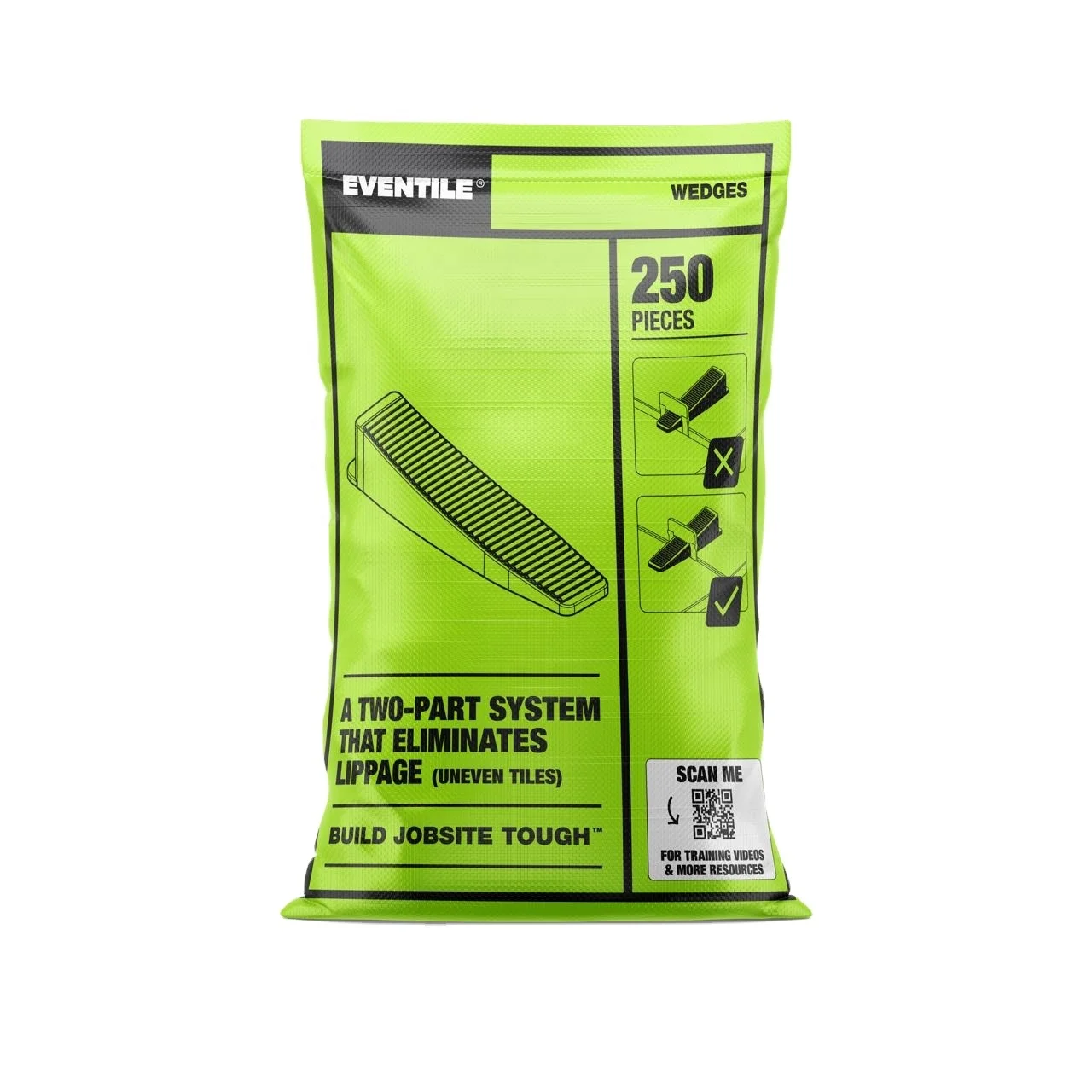
Contemporary tile leveling system designs incorporate precision-engineered wedges and clips that work together to maintain consistent height alignment during adhesive curing. The clip component sits beneath tile edges, providing stable support and reference points for accurate positioning, while the wedge element applies controlled upward pressure to eliminate height variations. This mechanical advantage system ensures that tiles remain properly aligned despite substrate irregularities or adhesive inconsistencies that could otherwise cause lippage formation.
Material science advances have enabled manufacturers to develop clips and wedges from high-strength polymers that resist breakage while providing optimal flexibility for various tile thicknesses and installation conditions. The tile leveling system components are designed for single-use application, ensuring consistent performance without the reliability concerns associated with reusable alternatives. Professional installers appreciate the predictable performance characteristics and ease of removal that modern systems provide, enabling efficient workflow management and superior results.
Spacer Integration and Joint Width Control
Advanced tile leveling system designs incorporate integrated spacer elements that simultaneously control joint width while maintaining surface alignment, streamlining the installation process and reducing material requirements. These dual-function components eliminate the need for separate spacer materials while ensuring consistent grout line dimensions throughout the project. Professional contractors value this integration because it reduces installation complexity and potential error sources while maintaining precision standards.
Joint width consistency directly affects both aesthetic outcomes and long-term performance characteristics, making integrated spacer functionality a critical feature of quality tile leveling system designs. Proper joint dimensions ensure adequate grout coverage and structural support while facilitating thermal expansion and contraction cycles. The tile leveling system approach to spacer integration represents a significant advancement over traditional methods that require multiple separate components and increased complexity management.
Installation Techniques and Best Practices
Surface Preparation and Substrate Evaluation
Successful tile leveling system implementation begins with thorough substrate preparation and evaluation to identify potential issues that could compromise installation quality. Professional installers conduct detailed assessments of substrate flatness, structural integrity, and moisture conditions before proceeding with tile placement. Even the most advanced tile leveling system cannot compensate for severely compromised substrates, making proper preparation essential for optimal results and long-term performance.
Substrate irregularities exceeding manufacturer specifications require correction through appropriate patching, grinding, or overlay application before tile installation begins. The tile leveling system works most effectively when substrate variations remain within acceptable tolerances, typically quarter-inch over ten feet for most applications. Professional contractors understand that investing time in proper preparation yields superior outcomes and reduces the likelihood of callbacks or warranty claims.
Adhesive Selection and Application Methods
Adhesive selection and application technique significantly impact tile leveling system effectiveness, requiring careful consideration of product compatibility and performance characteristics. Professional-grade adhesives with extended open times and superior bonding strength provide optimal working conditions for tile leveling system implementation while ensuring long-term installation integrity. Proper trowel selection and adhesive coverage patterns are essential for achieving consistent bond strength and preventing hollow spots that could compromise tile stability.
Temperature and humidity conditions affect adhesive working time and curing characteristics, requiring installers to adjust techniques and timing accordingly. The tile leveling system must be installed and adjusted before adhesive begins its initial set, making workflow planning and execution timing critical success factors. Experienced contractors develop systematic approaches that maximize working time while ensuring proper system engagement and tile positioning throughout the installation process.
Quality Benefits and Long-Term Performance Advantages
Aesthetic Enhancement and Visual Consistency
Professional tile installations utilizing quality tile leveling system technology demonstrate superior visual consistency and aesthetic appeal that distinguishes expert workmanship from amateur attempts. Uniform surface planes create seamless transitions between tiles that enhance light reflection patterns and minimize shadow lines that would otherwise reveal installation imperfections. Commercial clients particularly value this visual consistency because it reflects positively on their business image and demonstrates attention to quality details.
Large format tiles, which are increasingly popular in contemporary design applications, especially benefit from tile leveling system implementation because their size amplifies any height inconsistencies. Professional installers report that clients immediately notice the difference in surface quality when proper leveling techniques are employed, leading to increased customer satisfaction and referral opportunities. The investment in quality tile leveling system components typically pays dividends through enhanced reputation and premium pricing capabilities.
Durability and Maintenance Considerations
Properly leveled tile installations demonstrate superior long-term durability characteristics because uniform surface planes distribute loads evenly and prevent stress concentrations that could lead to cracking or failure. The tile leveling system approach to installation creates stable, consistent surfaces that resist damage from normal use patterns and environmental conditions. Professional contractors understand that initial installation quality directly affects long-term maintenance requirements and overall lifecycle costs for their clients.
Cleaning and maintenance operations are significantly easier on properly leveled surfaces because dirt and debris cannot accumulate in irregular transitions between tiles. The tile leveling system contribution to surface uniformity extends beyond aesthetics to practical performance benefits that building owners and facility managers appreciate over time. Reduced maintenance requirements and extended service life represent tangible value propositions that justify investment in quality installation practices and materials.
Cost Analysis and Return on Investment
Initial Investment versus Long-Term Value
While tile leveling system components represent an additional upfront cost compared to traditional installation methods, the long-term value proposition includes reduced labor time, improved quality outcomes, and decreased callback risks. Professional contractors report that the initial investment in quality tile leveling system components typically pays for itself through increased installation efficiency and reduced remediation costs. Time savings during installation and the ability to achieve consistent results on the first attempt contribute significantly to overall project profitability.
Commercial clients increasingly recognize the value of superior installation quality and are willing to pay premium rates for contractors who consistently deliver exceptional results. The tile leveling system investment enables contractors to differentiate their services and command higher pricing while maintaining competitive advantages in bid situations. Professional reputation enhancement through consistently superior outcomes creates long-term business benefits that far exceed the modest additional material costs involved.
Labor Efficiency and Productivity Gains
Experienced installers report significant productivity improvements when using quality tile leveling system components because the mechanical alignment assistance reduces the time required for manual adjustment and verification. Traditional installation methods require continuous monitoring and adjustment throughout the curing process, while tile leveling system technology maintains alignment automatically once properly installed. This automation allows installers to focus on other critical aspects of the installation process while maintaining confidence in surface quality outcomes.
Training requirements for new installation team members are reduced when tile leveling system technology is employed because the mechanical assistance compensates for experience gaps and ensures consistent results regardless of individual skill variations. The tile leveling system approach to installation creates more predictable outcomes and reduces the variability associated with traditional hand-adjustment techniques. Professional contractors value this consistency because it enables more accurate project scheduling and resource allocation planning.
FAQ
What is the maximum tile size that can be effectively managed with a tile leveling system
Modern tile leveling system designs can accommodate tiles ranging from small mosaics to large format slabs exceeding 48 inches in dimension, though specific component selection may vary based on tile thickness and installation requirements. Professional installers should consult manufacturer specifications to ensure proper system selection for their specific project parameters. The mechanical advantage provided by quality tile leveling system components scales effectively with tile size, making them particularly valuable for large format installations where manual alignment becomes increasingly challenging.
How does substrate condition affect tile leveling system performance
Substrate flatness and stability directly impact tile leveling system effectiveness, with optimal performance achieved when substrate variations remain within industry-standard tolerances of quarter-inch over ten feet. While tile leveling system technology can compensate for minor irregularities, severely compromised substrates require correction before installation begins. Professional contractors conduct thorough substrate evaluations and implement appropriate preparation measures to ensure optimal tile leveling system performance and long-term installation success.
What are the typical cost implications of implementing a professional tile leveling system
Professional-grade tile leveling system components typically add between two to four percent to overall material costs, while delivering significant value through reduced labor time and improved quality outcomes. The investment is often offset by increased installation efficiency and reduced callback risks, making it cost-neutral or profitable for most professional applications. Commercial clients frequently recognize the value of superior installation quality and accept modest price increases for contractors who consistently deliver exceptional results using advanced tile leveling system technology.
Can tile leveling systems be used with all types of adhesives and tile materials
Quality tile leveling system components are compatible with most professional-grade adhesives and tile materials, though installers should verify compatibility with specific product combinations before proceeding. Ceramic, porcelain, natural stone, and engineered materials all work effectively with proper tile leveling system implementation when appropriate techniques are employed. Professional contractors maintain familiarity with various material combinations and adjust their tile leveling system approach accordingly to ensure optimal results across diverse project types and specifications.
Table of Contents
- Understanding Lippage and Its Impact on Tile Installations
- Components and Functionality of Modern Tile Leveling Systems
- Installation Techniques and Best Practices
- Quality Benefits and Long-Term Performance Advantages
- Cost Analysis and Return on Investment
-
FAQ
- What is the maximum tile size that can be effectively managed with a tile leveling system
- How does substrate condition affect tile leveling system performance
- What are the typical cost implications of implementing a professional tile leveling system
- Can tile leveling systems be used with all types of adhesives and tile materials