 EN
EN


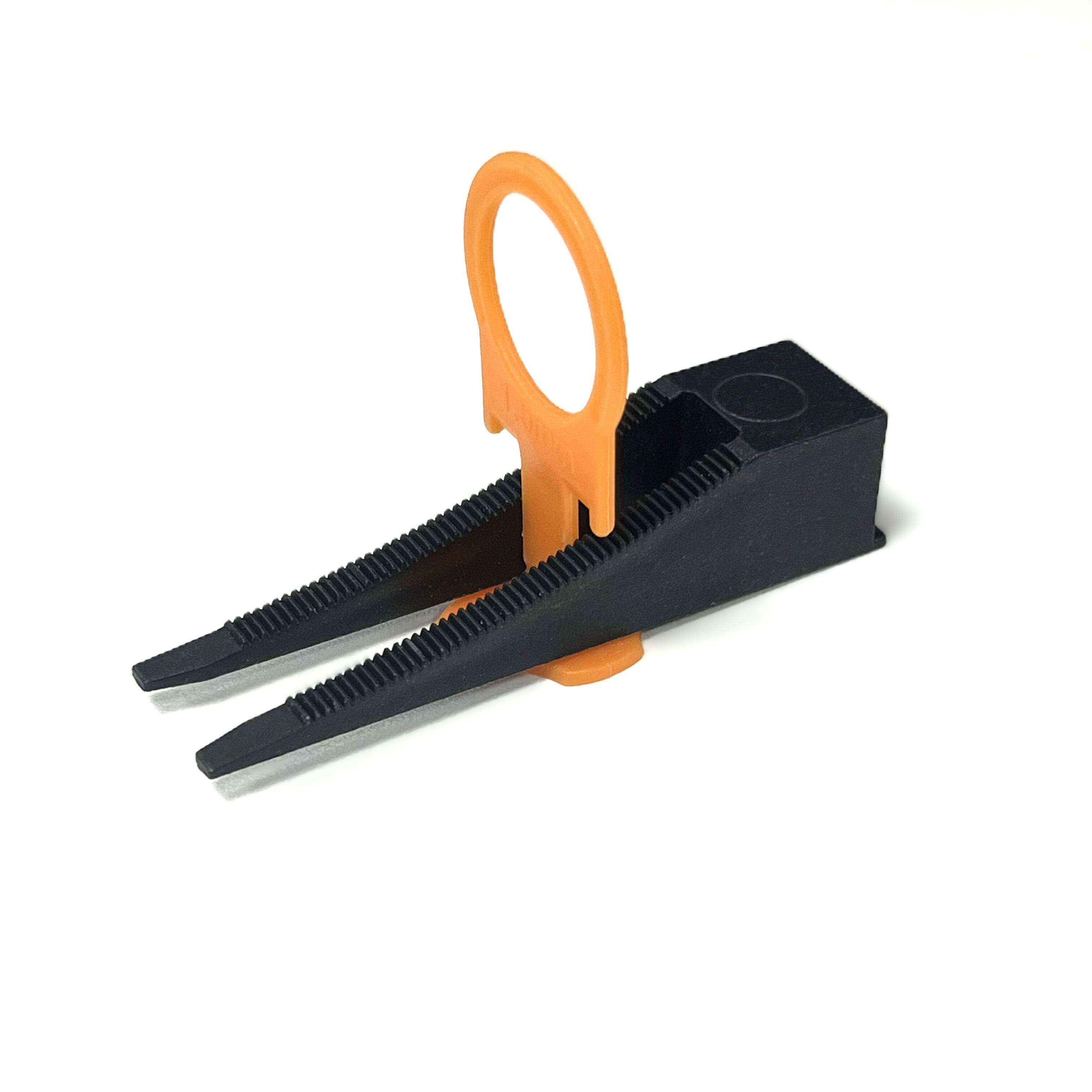
Professional tile installation demands precision, efficiency, and flawless results that stand the test of time. Whether you're a seasoned contractor or an ambitious DIY enthusiast, selecting the right tile leveling system can make the difference between a mediocre project and an exceptional finished surface. Modern tile leveling systems have revolutionized the installation process, eliminating the frustrations of uneven surfaces, lippage issues, and time-consuming manual adjustments that once plagued even experienced installers.
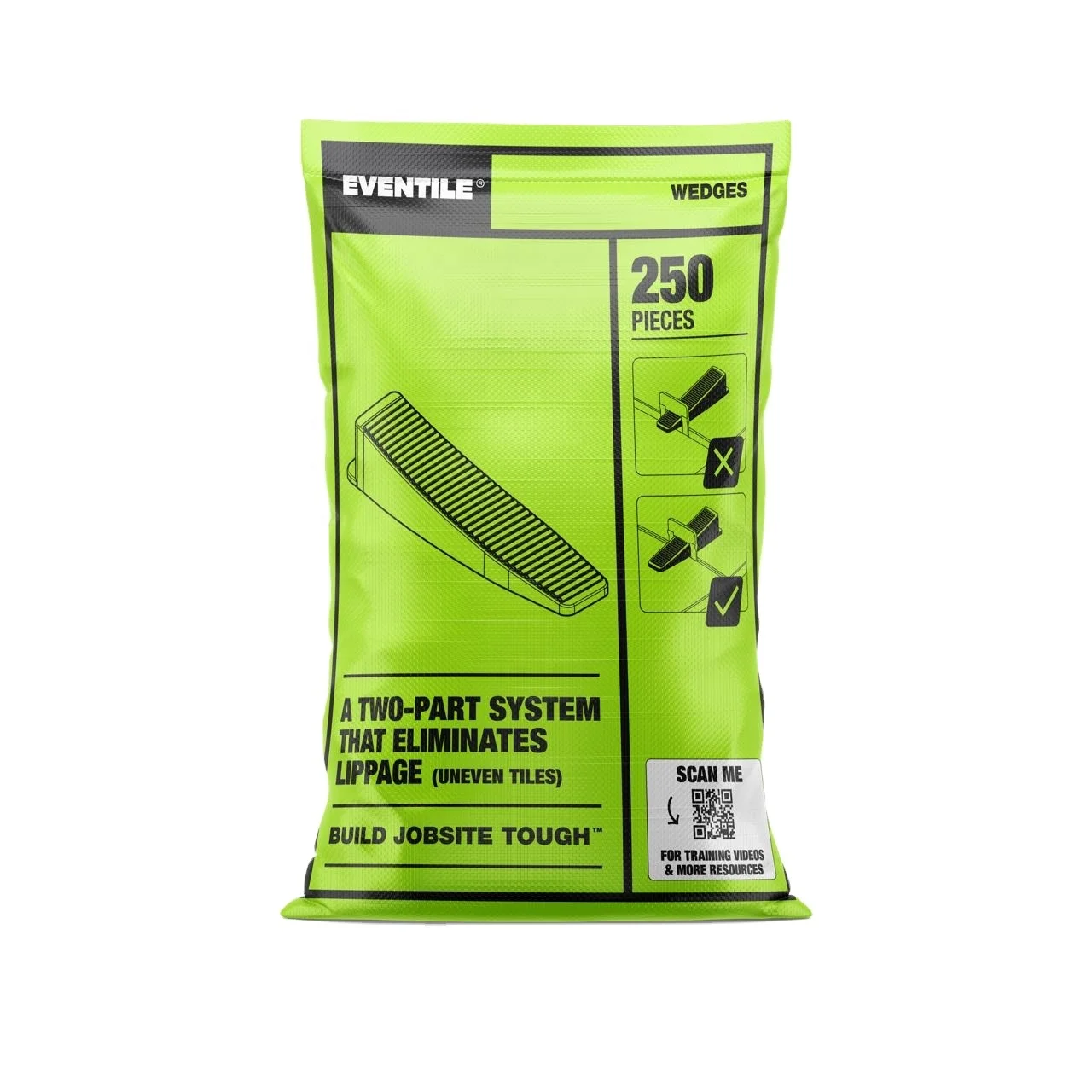
The evolution of tile installation technology has brought forth sophisticated solutions that address common challenges while streamlining workflow efficiency. Today's professional-grade tile leveling system options incorporate innovative design principles that ensure consistent height alignment across large format tiles, natural stone installations, and complex multi-surface projects. Understanding the nuances of different leveling mechanisms, material compatibility, and application techniques becomes crucial for achieving professional-grade results that exceed client expectations and industry standards.
Investment in quality leveling equipment translates directly into reduced labor costs, minimized material waste, and enhanced project profitability. The right tile leveling system eliminates costly callbacks, reduces installation time by up to forty percent, and enables installers to tackle more ambitious projects with confidence. This comprehensive guide explores the critical factors that influence system selection, performance characteristics of leading technologies, and practical implementation strategies that transform challenging installations into streamlined success stories.
Understanding Tile Leveling System Technologies
Wedge and Clip Mechanisms
Traditional wedge and clip tile leveling system designs represent the foundation of modern leveling technology, offering reliable performance across diverse installation scenarios. These systems utilize precision-engineered plastic components that create consistent pressure distribution while maintaining optimal tile positioning throughout the curing process. The wedge component provides controlled compression that eliminates height variations, while specialized clips ensure secure attachment to tile edges without compromising adhesive bond integrity.
Professional installers appreciate the intuitive operation of wedge-based systems, which require minimal learning curve adaptation while delivering consistent results across various tile thicknesses and surface conditions. Advanced wedge designs incorporate ergonomic features that reduce hand fatigue during extended installation sessions, while engineered plastic compositions resist cracking under high-stress applications. The clip mechanism must accommodate different tile edge profiles, from beveled ceramics to sharp-edged porcelains, ensuring universal compatibility across project specifications.
Threaded Rod Systems
Threaded rod tile leveling system configurations offer superior adjustability for complex installations requiring precise height control across irregular substrates. These systems feature adjustable threaded components that provide micro-level positioning capabilities, making them ideal for large format tiles exceeding twenty-four inches in any dimension. The threaded mechanism allows for real-time adjustments during the installation process, accommodating substrate variations without compromising the overall tile plane integrity.
Heavy-duty applications benefit significantly from threaded rod systems, particularly when working with thick natural stone slabs or oversized ceramic panels that generate substantial weight loads. The mechanical advantage provided by threaded adjustment mechanisms enables installers to maintain consistent pressure across entire tile surfaces, preventing stress concentrations that could lead to cracking or adhesive failure. Professional-grade threaded systems incorporate corrosion-resistant materials that maintain performance integrity in moisture-prone environments such as bathrooms and swimming pool areas.
Material Quality and Durability Considerations
Plastic Component Engineering
High-performance tile leveling system components rely on advanced polymer engineering to deliver consistent performance under demanding installation conditions. Premium plastic formulations resist degradation from alkaline tile adhesives, temperature fluctuations, and mechanical stress encountered during typical installation procedures. The molecular structure of quality plastics maintains dimensional stability while providing sufficient flexibility to accommodate thermal expansion without compromising leveling accuracy.
Injection molding precision directly impacts the reliability and longevity of plastic leveling components, with tolerance variations affecting system performance across multiple use cycles. Professional-grade systems utilize specialized plastic compounds that resist UV degradation, chemical attack from cleaning agents, and physical wear from repeated installation use. Color-coding systems help installers quickly identify component sizes and applications, reducing setup time while minimizing the risk of using incorrect parts during critical installation phases.
Metal Component Specifications
Metal components within advanced tile leveling system designs must withstand significant compression forces while maintaining precise dimensional accuracy throughout extended use cycles. Stainless steel and hardened steel alloys provide superior strength-to-weight ratios, ensuring reliable performance without adding unnecessary bulk to the installation toolkit. Surface treatments such as zinc coating or anodization prevent corrosion while maintaining smooth operation of adjustable mechanisms.
The metallurgy of adjustment screws, locking mechanisms, and pressure plates directly influences system longevity and operational reliability. Premium systems incorporate heat-treated components that resist deformation under high-stress applications, while precision machining ensures smooth operation even after hundreds of installation cycles. Thread specifications must balance ease of operation with holding power, preventing accidental adjustment while allowing controlled positioning when required.
Application-Specific System Selection
Large Format Tile Requirements
Large format tile installations demand specialized tile leveling system capabilities that address the unique challenges posed by oversized ceramic and stone panels. Tiles exceeding twelve inches in any dimension generate substantial weight loads that require enhanced support mechanisms to prevent sagging or displacement during adhesive curing. The increased surface area of large format tiles amplifies minor substrate irregularities, making precise leveling control essential for achieving professional results.
Professional installers working with large format materials require leveling systems that provide multiple support points along tile edges while maintaining consistent pressure distribution. Advanced systems incorporate reinforced base plates that distribute loads across broader substrate areas, preventing localized stress concentrations that could compromise adhesive bonds. The geometry of large format tiles necessitates leveling systems with extended reach capabilities, ensuring effective leveling action across the entire tile perimeter.
Natural Stone Considerations
Natural stone installations present unique challenges that require specialized tile leveling system adaptations to accommodate material characteristics and installation requirements. Stone materials exhibit varying thicknesses, surface textures, and edge profiles that demand flexible leveling solutions capable of adapting to material inconsistencies. The weight of natural stone requires robust leveling mechanisms that maintain positioning integrity without causing stress fractures or edge damage.
Moisture sensitivity considerations become critical when selecting leveling systems for natural stone applications, as certain stone types react adversely to prolonged contact with plastic components or metal hardware. Premium leveling systems designed for stone applications incorporate specialized materials that prevent staining while providing reliable positioning control throughout extended curing periods. The thermal properties of natural stone require leveling systems that accommodate expansion and contraction without compromising installation integrity.
Performance Optimization Strategies
Installation Technique Refinement
Maximizing tile leveling system performance requires mastering proper installation techniques that optimize component functionality while minimizing potential failure points. Correct base placement ensures even load distribution across substrate surfaces, preventing localized pressure points that could compromise adhesive bonds or cause tile cracking. The sequence of component installation directly impacts leveling effectiveness, with proper timing ensuring optimal adhesive consistency during positioning adjustments.
Professional installers develop systematic approaches to leveling system deployment that maximize efficiency while maintaining quality standards across diverse project requirements. Consistent pressure application techniques ensure uniform leveling action across all tile joints, while proper removal timing prevents damage to cured installations. Advanced installation strategies incorporate predictive planning that anticipates substrate variations and adjusts leveling system placement accordingly, reducing the need for corrective adjustments during critical installation phases.
Quality Control Methodologies
Implementing comprehensive quality control measures throughout the tile leveling system application process ensures consistent results that meet or exceed project specifications. Regular monitoring of leveling system performance identifies potential issues before they compromise installation quality, while systematic documentation tracks system effectiveness across different material types and substrate conditions. Professional quality control protocols incorporate precision measurement tools that verify leveling accuracy at multiple installation stages.
Continuous improvement processes analyze tile leveling system performance data to identify optimization opportunities and refine installation techniques. Feedback loops between field experience and system selection criteria enable installers to make informed equipment choices that maximize project success rates. Quality metrics tracking system reliability, installation speed, and finish quality provide objective data for evaluating different leveling technologies and their suitability for specific applications.
Economic Impact and Value Analysis
Cost-Benefit Calculations
Professional tile leveling system investment analysis must consider both direct equipment costs and indirect benefits realized through improved installation efficiency and quality outcomes. Initial system costs represent a small percentage of total project expenses, while performance benefits compound across multiple installations to generate substantial return on investment. Labor cost reduction through faster installation speeds typically recovers equipment investment within the first few project applications.
Callback elimination represents a significant hidden value proposition for professional installers, as warranty issues and customer complaints consume valuable time and resources while damaging professional reputation. Quality tile leveling system applications virtually eliminate height variation complaints while reducing the risk of tile cracking due to stress concentrations. The professional appearance achieved through consistent leveling translates into increased customer satisfaction and enhanced referral potential for growing installation businesses.
Long-Term Performance Value
Durability characteristics of premium tile leveling system components justify higher initial investment through extended service life and consistent performance across hundreds of installation cycles. Professional-grade systems maintain accuracy and reliability even after extensive use, while lower-quality alternatives often fail prematurely or provide inconsistent results that compromise installation quality. The operational lifespan of quality leveling equipment extends across multiple years of regular use, amortizing initial costs over substantial project volumes.
Market positioning advantages accrue to installers who consistently deliver superior results through advanced leveling technology adoption. Professional reputation enhancement through quality installations opens opportunities for higher-value projects with discerning clients who appreciate exceptional craftsmanship. The competitive advantage provided by efficient tile leveling system utilization enables installers to pursue more ambitious projects while maintaining profitability margins that support business growth and equipment upgrades.
FAQ
What tile thickness range can most leveling systems accommodate
Most professional tile leveling systems accommodate tiles ranging from 3mm to 20mm in thickness, though specific compatibility varies by manufacturer and system design. Premium systems often include adjustable components that extend this range to accommodate specialty materials such as thick natural stone slabs or ultra-thin large format ceramics. Always verify thickness compatibility with your chosen tile leveling system before beginning installation to ensure proper fit and function.
How many times can quality leveling components be reused
High-quality tile leveling system components typically withstand 50-100 use cycles when handled properly and maintained according to manufacturer guidelines. Reusable components such as wedges and adjustment tools often exceed this range, while clips and bases may require replacement after fewer cycles depending on tile types and installation conditions. Regular inspection of components helps identify wear patterns and optimize replacement timing for maximum system value.
Are leveling systems suitable for outdoor tile installations
Professional tile leveling systems perform excellently in outdoor applications when selected for appropriate environmental conditions and material compatibility. Weather-resistant components prevent degradation from UV exposure, temperature cycling, and moisture infiltration that could compromise leveling accuracy. Outdoor installations benefit significantly from leveling systems due to substrate movement and settling that occurs in exterior environments, making consistent tile positioning even more critical than indoor applications.
What spacing considerations apply when using leveling systems
Tile leveling system applications typically require minimum joint widths of 1.5mm to accommodate system components while maintaining proper adhesive coverage around leveling hardware. Larger tiles may require wider joints to ensure adequate system placement without compromising structural integrity or aesthetic appearance. Professional installers adjust spacing based on tile size, substrate conditions, and specific tile leveling system requirements to optimize both performance and visual results.