 EN
EN


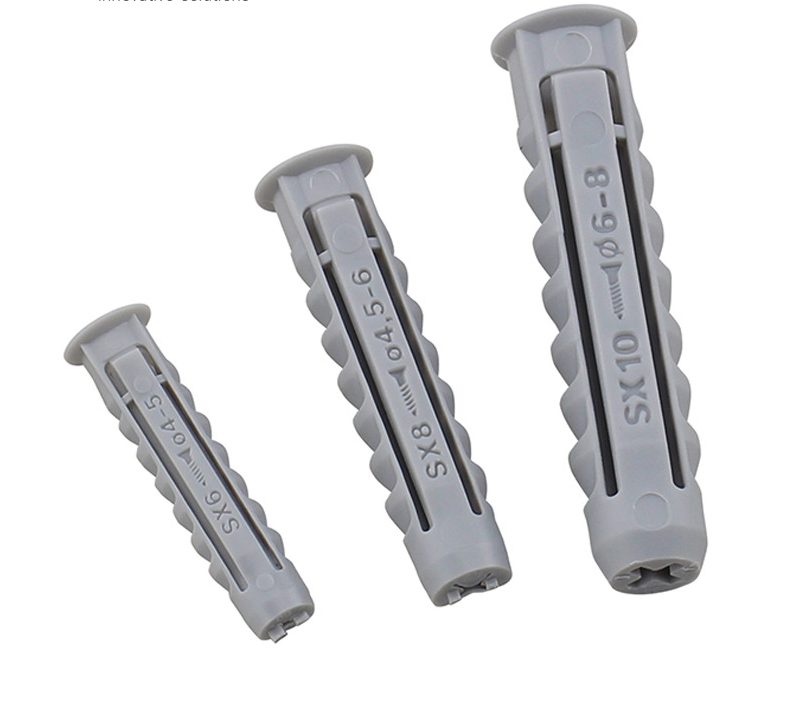
Selecting the appropriate anchor system for outdoor and marine applications requires careful consideration of environmental factors, load requirements, and material compatibility. When working in challenging conditions where salt spray, temperature fluctuations, and moisture exposure are constant concerns, the choice of fastening solution becomes critical to project success. Plastic wall anchors have emerged as a preferred solution for many outdoor installations due to their corrosion resistance and durability in harsh environments.
Marine and outdoor environments present unique challenges that traditional metal fasteners often cannot withstand effectively. The combination of saltwater exposure, UV radiation, thermal cycling, and mechanical stress requires anchoring systems that maintain structural integrity over extended periods. Professional contractors and marine engineers increasingly rely on specialized fastening solutions that can deliver consistent performance despite these demanding conditions.
Understanding the specific requirements of your installation environment is essential before selecting any anchoring system. Factors such as substrate material, expected load conditions, exposure to chemicals or cleaning agents, and maintenance accessibility all influence the optimal choice. Modern plastic wall anchors offer several advantages in these applications, including excellent chemical resistance, lightweight properties, and the ability to maintain holding strength in fluctuating temperature conditions.
Understanding Environmental Challenges in Outdoor Applications
Corrosion Resistance Requirements
Outdoor installations face constant exposure to moisture, salt spray, and atmospheric contaminants that can rapidly degrade conventional metal fasteners. The corrosion process accelerates significantly in marine environments where chloride concentrations are elevated. Plastic wall anchors provide inherent corrosion resistance, eliminating the galvanic corrosion concerns that arise when dissimilar metals are used in the same assembly.
The electrochemical processes that cause metal corrosion do not affect properly formulated plastic materials. This characteristic makes plastic wall anchors particularly valuable for applications where long-term reliability is essential and maintenance access is limited. The absence of corrosion also prevents the expansion forces that can damage substrate materials when metal anchors deteriorate over time.
Temperature Cycling Effects
Outdoor environments subject anchoring systems to significant temperature variations that create expansion and contraction stresses. These thermal cycles can loosen traditional mechanical fasteners or cause fatigue failures in rigid metal components. Quality plastic wall anchors are engineered with material formulations that accommodate thermal movement while maintaining consistent holding power.
The thermal expansion characteristics of plastic materials can be matched to substrate materials more effectively than metal alternatives in many applications. This compatibility reduces stress concentrations and helps prevent crack propagation in brittle substrates such as masonry or concrete. Advanced polymer formulations used in modern plastic wall anchors provide stable mechanical properties across wide temperature ranges commonly encountered in outdoor installations.
Load Distribution and Mechanical Performance
Understanding Load Transfer Mechanisms
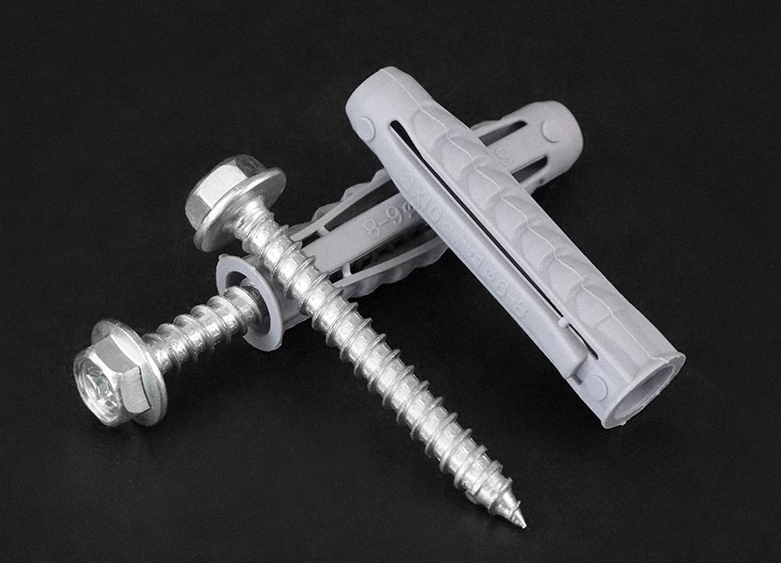
Effective anchor performance depends on proper load transfer from the attached component through the anchor body to the substrate material. Plastic wall anchors achieve load distribution through mechanical expansion, compression, or friction mechanisms depending on their specific design. The flexible nature of plastic materials allows for more uniform stress distribution compared to rigid metal anchors in many applications.
The load transfer characteristics of plastic wall anchors are particularly beneficial in hollow or lightweight substrates where point loading can cause local failures. The ability of plastic materials to deform slightly under load helps distribute forces over larger areas, reducing stress concentrations that could compromise substrate integrity. This characteristic is especially valuable in marine applications where substrates may be weakened by moisture exposure or age.
Dynamic Loading Considerations
Marine and outdoor installations frequently experience dynamic loading from wind, waves, thermal movement, or operational vibrations. These cyclic loads can cause fatigue failures in rigid fastening systems over time. The inherent flexibility of plastic wall anchors provides superior resistance to fatigue loading by absorbing energy and reducing stress amplification factors.
Dynamic loading analysis requires understanding both the magnitude and frequency of expected loads throughout the service life of the installation. Plastic wall anchors demonstrate excellent performance in applications with moderate dynamic loads, particularly where the loading frequency falls within the optimal response range of the polymer material. Proper selection considers both peak loads and cumulative fatigue effects to ensure long-term reliability.
Material Selection and Chemical Compatibility
Polymer Material Properties
The performance of plastic wall anchors depends heavily on the base polymer materials used in their construction. Polyethylene and nylon are common choices that offer excellent chemical resistance and mechanical properties suitable for outdoor applications. These materials resist degradation from UV exposure, saltwater, and common cleaning chemicals while maintaining dimensional stability over time.
Material selection must consider the specific chemical environment of the installation site. Industrial marine facilities may have exposure to fuels, hydraulic fluids, or cleaning solvents that could affect certain plastic formulations. High-quality plastic wall anchors are manufactured from specially formulated materials that provide broad chemical resistance while maintaining mechanical integrity.
UV Stabilization and Weather Resistance
Prolonged exposure to ultraviolet radiation can degrade plastic materials through photochemical processes that break polymer chains and reduce mechanical properties. Modern plastic wall anchors incorporate UV stabilizers and antioxidants that protect against photodegradation and extend service life in outdoor applications. Carbon black loading and other light-absorbing additives provide additional protection for critical applications.
Weather resistance encompasses protection against not only UV radiation but also thermal cycling, moisture absorption, and atmospheric pollutants. The formulation of plastic wall anchors for outdoor use typically includes impact modifiers and plasticizers that maintain flexibility and toughness across the expected service temperature range. These additives prevent brittle failure modes that could compromise anchor performance in challenging weather conditions.
Installation Considerations for Marine Environments
Substrate Preparation and Assessment
Proper installation begins with thorough assessment of the substrate material and condition. Marine environments often present substrates that have been weakened by salt exposure, freeze-thaw cycling, or biological attack. The substrate evaluation should consider both surface conditions and internal structural integrity to ensure adequate anchor holding capacity.
Substrate preparation requirements for plastic wall anchors may differ from those for metal fasteners due to different expansion mechanisms and load transfer characteristics. The drilling parameters, hole diameter tolerances, and cleaning procedures must be optimized for the specific anchor design and substrate combination. Proper preparation is essential for achieving the full holding capacity of the anchoring system.
Installation Techniques and Quality Control
Installation techniques for plastic wall anchors require attention to torque specifications, insertion depth, and expansion verification procedures. Over-tightening can damage the anchor mechanism or substrate, while insufficient installation torque may not achieve full holding capacity. The flexible nature of plastic materials requires modified installation procedures compared to rigid metal anchors.
Quality control procedures should include verification of proper anchor expansion, holding capacity testing where feasible, and documentation of installation parameters. The corrosion resistance advantages of plastic wall anchors can only be realized if proper installation techniques prevent moisture ingress or mechanical damage during installation. Training of installation personnel is essential for achieving consistent results in challenging marine environments.
Performance Optimization and Specification Guidelines
Load Capacity Calculations
Accurate load capacity calculations for plastic wall anchors require understanding of both anchor capabilities and substrate strength limitations. The calculations must consider safety factors appropriate for the environmental conditions and consequences of failure. Marine applications typically require higher safety factors due to the challenging service environment and potential for unexpected loading conditions.
Load capacity testing data should reflect conditions similar to the intended application, including substrate type, installation method, and environmental exposure. The time-dependent behavior of plastic materials under sustained loading must be considered in applications where creep deformation could affect performance. Proper specification ensures that plastic wall anchors operate within their optimal performance range throughout the expected service life.
Long-term Maintenance and Inspection
The low maintenance requirements of plastic wall anchors represent a significant advantage in marine applications where access for routine maintenance may be limited or costly. However, periodic inspection protocols should be established to verify continued performance and identify any changes in loading conditions or substrate integrity that could affect anchor performance.
Inspection procedures for plastic wall anchors focus on visual assessment of the anchor head, attached components, and substrate conditions rather than corrosion monitoring required for metal fasteners. The stable performance characteristics of quality plastic wall anchors typically result in predictable service life with minimal deterioration over time. This reliability simplifies maintenance planning and reduces lifecycle costs for marine installations.
FAQ
What are the primary advantages of plastic wall anchors in marine environments
Plastic wall anchors offer superior corrosion resistance compared to metal alternatives, eliminating galvanic corrosion concerns and maintaining consistent performance in salt spray environments. They provide excellent chemical resistance to cleaning agents and marine fuels while offering lightweight installation advantages. The flexible nature of plastic materials helps accommodate thermal movement and dynamic loading without fatigue failures common in rigid metal fasteners.
How do I determine the appropriate load capacity for outdoor applications
Load capacity determination requires analysis of both static and dynamic loading conditions throughout the expected service life. Consider wind loads, thermal expansion forces, operational loads, and appropriate safety factors for the environmental conditions. Substrate strength limitations often govern overall system capacity, so comprehensive evaluation of both anchor and substrate capabilities is essential for proper specification.
What installation factors are critical for optimal anchor performance
Proper hole preparation, including correct diameter and depth specifications, is essential for achieving full anchor capacity. Installation torque must be carefully controlled to ensure proper expansion without damaging the anchor mechanism. Substrate condition assessment and appropriate anchor selection for the specific substrate type are critical factors that affect long-term performance in challenging marine environments.
How do plastic wall anchors compare to metal alternatives in terms of longevity
Plastic wall anchors typically provide superior longevity in corrosive environments due to their inherent chemical resistance and immunity to galvanic corrosion. While metal anchors may offer higher initial strength values, plastic wall anchors maintain consistent performance over time without the strength degradation associated with corrosion processes. The stable material properties and resistance to environmental degradation result in predictable service life with minimal maintenance requirements.
Table of Contents
- Understanding Environmental Challenges in Outdoor Applications
- Load Distribution and Mechanical Performance
- Material Selection and Chemical Compatibility
- Installation Considerations for Marine Environments
- Performance Optimization and Specification Guidelines
-
FAQ
- What are the primary advantages of plastic wall anchors in marine environments
- How do I determine the appropriate load capacity for outdoor applications
- What installation factors are critical for optimal anchor performance
- How do plastic wall anchors compare to metal alternatives in terms of longevity