 EN
EN


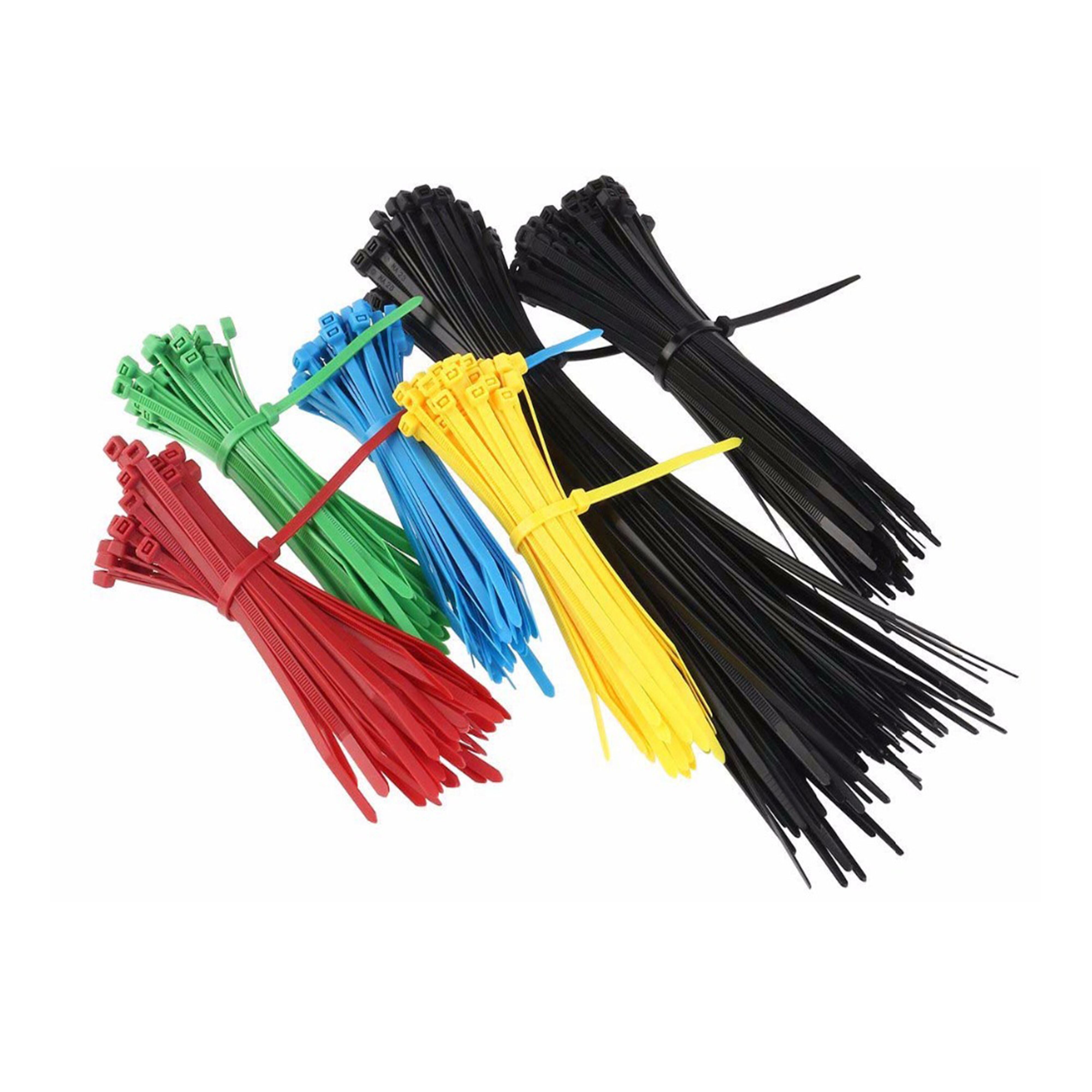
Selecting the right cable ties for electrical work is a critical decision that impacts both safety and operational efficiency in industrial and commercial settings. Professional electricians and project managers must evaluate multiple factors when choosing these essential fastening solutions to ensure optimal performance and compliance with industry standards. The proper selection of cable ties directly influences installation quality, maintenance requirements, and long-term reliability of electrical systems across various applications.
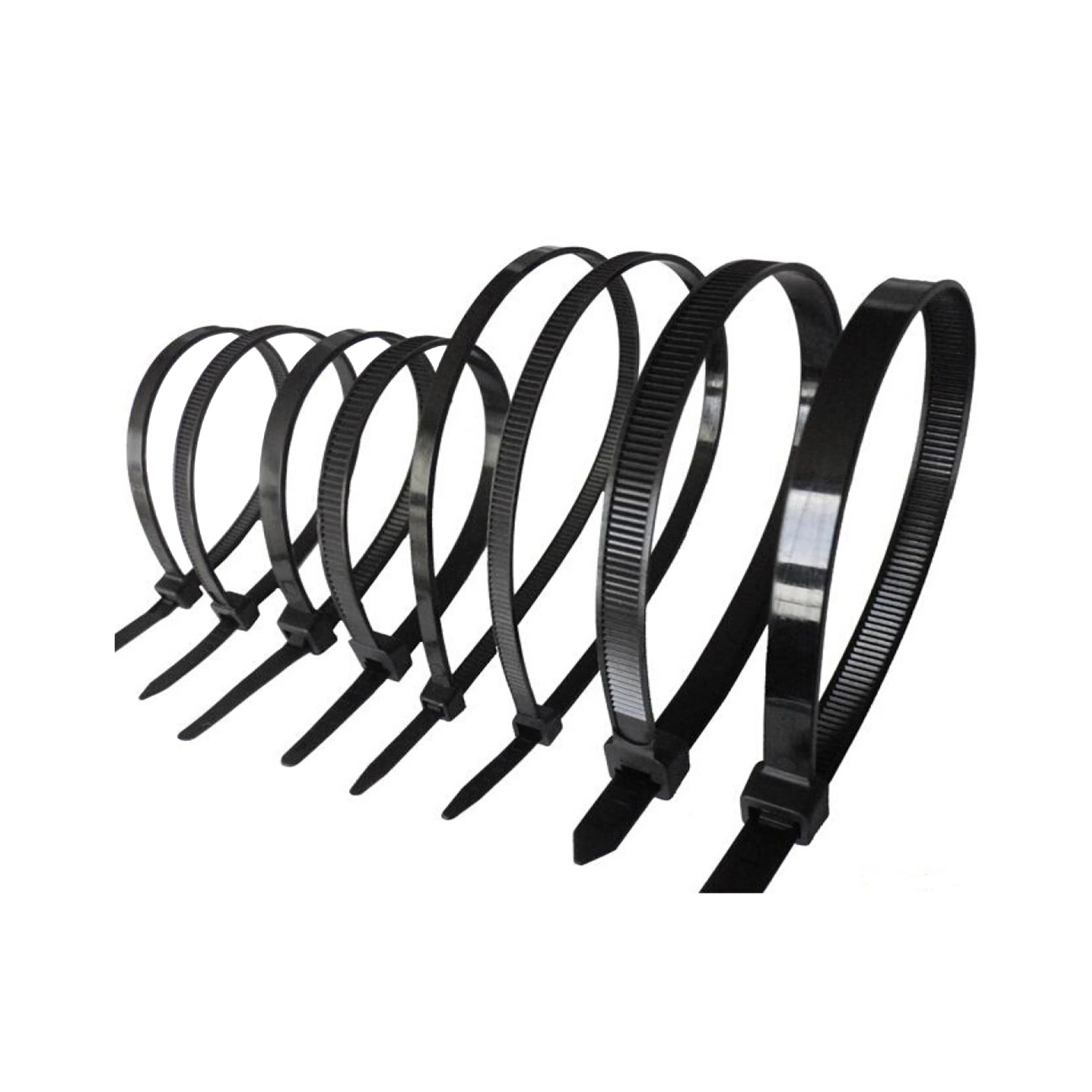
Modern electrical installations require fastening solutions that meet stringent performance criteria while maintaining cost-effectiveness. The choice of cable ties affects not only immediate installation success but also influences future maintenance schedules and system upgrades. Understanding the technical specifications and application requirements enables electrical professionals to make informed decisions that enhance project outcomes and ensure regulatory compliance.
Material Composition and Performance Characteristics
Nylon 66 Properties and Benefits
Nylon 66 represents the gold standard for cable ties in electrical applications due to its exceptional mechanical properties and chemical resistance. This engineering-grade polymer offers superior tensile strength, typically ranging from 18 to 50 pounds depending on tie dimensions and manufacturer specifications. The material exhibits excellent resistance to oils, greases, and most common industrial chemicals encountered in electrical environments.
Temperature stability constitutes another crucial advantage of nylon 66 cable ties, with operating ranges typically spanning from -40°F to 185°F (-40°C to 85°C). This thermal performance ensures reliable operation across diverse climatic conditions and industrial environments. The material also demonstrates excellent UV resistance when properly formulated with appropriate stabilizers, making it suitable for both indoor and outdoor electrical installations.
Dielectric properties of nylon 66 cable ties provide essential electrical insulation characteristics required for safe electrical work. The material typically exhibits dielectric strength exceeding 400 volts per mil, ensuring adequate insulation between conductors and grounded surfaces. These properties make nylon 66 cable ties particularly valuable in high-voltage applications where electrical isolation is paramount.
Alternative Materials and Specialized Applications
Polyethylene terephthalate (PET) cable ties offer enhanced chemical resistance for specialized electrical environments exposed to aggressive chemicals or extreme pH conditions. These ties typically provide superior resistance to acids and bases while maintaining adequate mechanical strength for most electrical bundling applications. However, PET ties generally exhibit lower temperature ratings compared to nylon alternatives.
Metal detectable cable ties address specific requirements in food processing and pharmaceutical facilities where electrical systems must comply with contamination control protocols. These specialized cable ties incorporate metal additives that enable detection by standard metal detection equipment while maintaining the flexibility and ease of installation characteristic of polymer-based fasteners.
Fluoropolymer cable ties serve critical roles in chemical processing facilities and aerospace applications where extreme chemical resistance and temperature stability are required. These premium fasteners typically command higher costs but provide unmatched performance in demanding electrical environments where standard materials would fail.
Load Capacity and Tensile Strength Requirements
Calculating Bundle Weight and Stress Factors
Proper load calculation for cable ties requires careful assessment of both static and dynamic forces acting on cable bundles during normal operation. Static loads include the weight of cables and any additional components secured by the ties, while dynamic forces encompass vibration, thermal expansion, and installation stresses. Professional electricians must account for safety factors typically ranging from 2:1 to 4:1 depending on application criticality and environmental conditions.
Cable bundle diameter and weight distribution significantly influence the selection of appropriate cable ties for specific applications. Larger bundles require ties with higher tensile ratings and wider heads to distribute clamping forces effectively. The relationship between bundle size and required tie strength follows logarithmic scaling, meaning that doubling bundle diameter typically requires more than double the tie strength.
Environmental stress factors must be incorporated into load calculations to ensure long-term reliability. Temperature cycling, UV exposure, and chemical contact can reduce effective tensile strength by 20-40% over the service life of cable ties. Conservative engineering practices recommend selecting ties with tensile ratings at least 50% above calculated maximum loads to accommodate these degradation factors.
Testing Standards and Certification Requirements
UL recognition and CSA certification provide essential validation of cable tie performance in electrical applications. These certifications verify that cable ties meet specific flammability, mechanical strength, and environmental resistance standards required for electrical installations. UL94 V-2 flame rating represents the minimum acceptable standard for most electrical applications, while V-0 ratings are preferred for critical installations.
ASTM D4565 testing protocols establish standardized methods for evaluating cable tie tensile strength and environmental performance. These tests simulate real-world conditions including temperature cycling, chemical exposure, and UV aging to validate long-term performance characteristics. Specifying cable ties that meet or exceed ASTM standards ensures consistent performance across different manufacturers and product lines.
International standards such as IEC 62275 provide global benchmarks for cable tie performance in electrical applications. These standards facilitate equipment specification for international projects and ensure compatibility with diverse electrical codes and regulations. Compliance with international standards becomes particularly important for multinational industrial facilities and export applications.
Environmental Conditions and Durability Factors
Temperature Range Considerations
Operating temperature ranges significantly impact cable tie selection for electrical installations in varying climatic conditions. Standard nylon cable ties typically perform reliably from -40°F to 185°F, but extended exposure to temperature extremes can affect mechanical properties and installation torque requirements. Cold temperatures increase material brittleness, requiring careful handling during installation to prevent cracking or failure.
High-temperature applications such as motor control centers and industrial ovens require specialized cable ties formulated for extended thermal exposure. Heat-stabilized nylon formulations can extend operating ranges to 250°F or higher, while maintaining adequate tensile strength and flexibility for reliable long-term performance. These specialized materials command premium pricing but provide essential reliability in demanding thermal environments.
Thermal cycling effects represent a critical consideration for cable ties in outdoor electrical installations and industrial facilities with significant temperature variations. Repeated expansion and contraction can induce stress concentrations that lead to premature failure, particularly at tie heads and locking mechanisms. Selecting cable ties with proven thermal cycling performance ensures reliable operation throughout seasonal temperature variations.
Chemical Resistance and Environmental Protection
Chemical compatibility assessment constitutes an essential step in cable tie selection for industrial electrical applications. Common industrial chemicals including hydraulic fluids, cleaning solvents, and process chemicals can degrade standard nylon materials over time. Chemical resistance charts provided by manufacturers enable informed selection of appropriate cable tie materials for specific environmental exposures.
UV stability becomes critical for cable ties used in outdoor electrical installations and facilities with significant natural lighting. Unprotected nylon materials can degrade rapidly under UV exposure, leading to embrittlement and reduced tensile strength. UV-stabilized formulations or alternative materials such as polypropylene may be required for outdoor applications to ensure adequate service life.
Moisture and humidity resistance affects cable tie performance in marine environments, food processing facilities, and outdoor installations. While nylon materials generally exhibit good moisture resistance, prolonged exposure to high humidity can affect dimensional stability and locking mechanism performance. Proper material selection and installation practices help mitigate moisture-related performance issues.
Installation Methods and Accessibility Requirements
Manual Installation Techniques
Proper manual installation of cable ties requires attention to tensioning force and bundle compression to achieve optimal performance without damaging enclosed cables. Over-tightening represents a common installation error that can damage cable insulation and create stress concentrations in the tie material. Industry best practices recommend hand-tightening followed by an additional quarter-turn using appropriate tools.
Bundle preparation significantly influences installation success and long-term performance of cable ties in electrical applications. Cables should be arranged to minimize stress concentrations and ensure even load distribution across the tie width. Proper bundle formation also facilitates future maintenance access and reduces the likelihood of cable damage during service operations.
Workspace accessibility constraints often influence cable tie selection and installation methods in congested electrical panels and confined spaces. Miniature cable ties and specialized head configurations can facilitate installation in tight spaces while maintaining adequate holding strength. Pre-planning installation sequences and tie placement helps optimize workspace utilization and installation efficiency.
Automated Installation Systems
Pneumatic cable tie guns enable consistent tensioning and improved installation speed for large-scale electrical projects. These tools typically provide adjustable tension settings and automatic tail cutoff features that enhance installation quality and reduce labor costs. Proper tool calibration ensures consistent installation torque and prevents over-tensioning that could damage cables or ties.
Cable tie guns designed for electrical work incorporate features such as flush-cutting mechanisms and tension limiting to protect sensitive cables and ensure professional installation appearance. These specialized tools justify their cost through improved installation speed and consistency, particularly on projects involving hundreds or thousands of cable ties.
Automated cable tie application becomes economically viable for high-volume manufacturing and repetitive installation tasks. Integration with cable harness assembly equipment enables consistent tie placement and tensioning while reducing labor requirements and improving quality control. These systems require careful specification of compatible cable ties and installation parameters.
Size Selection and Bundle Compatibility
Length and Width Specifications
Cable tie length selection requires careful consideration of bundle diameter plus adequate length for proper locking engagement and installation clearance. Standard practice recommends selecting ties with approximately 1.5 times the bundle circumference to ensure adequate wrapping and secure locking. Insufficient length can prevent proper closure, while excessive length creates unsightly tails and potential snagging hazards.
Width specifications directly influence holding strength and load distribution characteristics of cable ties in electrical applications. Wider ties distribute clamping forces over larger areas, reducing stress concentrations on individual cables while providing higher tensile ratings. However, wider ties also require more installation space and may not fit in congested electrical enclosures.
Miniature cable ties serve specialized applications in electronics and control panels where space constraints limit the use of standard-size fasteners. These small ties typically offer tensile ratings from 8-18 pounds while maintaining the convenience and reliability of larger alternatives. Proper sizing ensures adequate performance without compromising installation accessibility.
Bundle Configuration and Optimization
Cable bundle configuration significantly influences the selection of appropriate cable ties and affects overall installation performance. Circular bundle arrangements typically require different tie characteristics compared to flat or rectangular configurations. Understanding bundle geometry helps optimize tie selection and placement for maximum effectiveness and professional appearance.
Mixed cable types within bundles require careful consideration of different expansion coefficients and flexibility characteristics when selecting cable ties. Power cables, control wires, and communication lines may exhibit different thermal expansion rates and flexibility requirements that influence optimal tie selection and spacing. Proper accommodation of these differences prevents stress concentrations and ensures reliable long-term performance.
Future expansion capabilities should be incorporated into initial cable tie selection and installation planning. Oversized cable ties or releasable alternatives may be specified to accommodate future cable additions without requiring complete reinstallation. This forward-thinking approach reduces maintenance costs and minimizes system downtime during upgrades.
Special Features and Advanced Options
Releasable and Reusable Designs
Releasable cable ties provide valuable flexibility for electrical installations requiring frequent modifications or maintenance access. These specialized fasteners incorporate release mechanisms that enable multiple use cycles without requiring cutting and replacement. While typically more expensive than standard ties, releasable options can reduce long-term maintenance costs in dynamic electrical systems.
Push-button release mechanisms offer convenient one-handed operation for maintenance technicians working in confined spaces. These designs typically maintain holding strength comparable to standard cable ties while providing quick release capability when needed. Proper selection requires evaluation of release force requirements and potential for accidental activation in normal service.
Reusable cable ties manufactured from specialized materials enable multiple installation cycles without performance degradation. These premium fasteners justify higher initial costs through extended service life and reduced replacement requirements. Applications involving frequent cable reconfiguration particularly benefit from reusable tie specifications.
Identification and Marking Systems
Pre-printed cable ties enable integrated identification systems that eliminate the need for separate cable labels in many applications. These specialized fasteners incorporate permanent markings that resist environmental exposure and handling damage. Custom printing options facilitate asset management and maintenance tracking in complex electrical systems.
Color-coded cable ties provide visual identification capabilities that enhance maintenance efficiency and reduce installation errors. Standard color schemes can indicate voltage levels, circuit types, or system functions according to facility-specific protocols. Consistent color coding throughout electrical installations improves safety and operational efficiency.
Marker tie designs incorporate expanded head areas or integral tabs that accommodate adhesive labels or tie-on tags. These hybrid solutions combine the securing function of standard cable ties with enhanced identification capabilities required for complex electrical systems. Proper specification ensures compatibility with existing labeling systems and maintenance procedures.
Cost Considerations and Economic Analysis
Initial Purchase Price Factors
Cable tie pricing varies significantly based on material specifications, manufacturing quality, and certification requirements. Standard nylon cable ties typically cost significantly less than specialized alternatives, but total project costs must consider performance requirements and potential failure consequences. Value engineering approaches should evaluate long-term costs rather than focusing solely on initial purchase price.
Volume purchasing agreements can substantially reduce per-unit costs for large electrical projects while ensuring consistent quality and availability. Establishing preferred supplier relationships enables bulk purchasing benefits and reduces procurement complexity for ongoing maintenance requirements. Standardizing on specific cable tie types across facilities further enhances purchasing leverage and inventory management efficiency.
Quality variations among manufacturers can significantly impact long-term value despite similar initial pricing. Higher-quality cable ties typically offer superior consistency, enhanced durability, and better certification compliance that justifies premium pricing for critical applications. Comprehensive evaluation should consider total cost of ownership rather than initial purchase price alone.
Life Cycle Cost Analysis
Maintenance and replacement costs often exceed initial cable tie purchase prices over the service life of electrical installations. Selecting higher-quality cable ties that offer extended service life and reduced failure rates can significantly reduce total ownership costs. This economic analysis becomes particularly important for installations in remote locations or areas requiring extensive downtime for maintenance access.
Labor costs associated with cable tie installation and replacement typically represent the largest component of total project expenses. Specifying cable ties that facilitate efficient installation and reduce replacement frequency can provide substantial cost savings over the system lifecycle. Investment in premium cable ties often pays dividends through reduced maintenance labor requirements.
Failure consequence costs must be incorporated into cable tie selection decisions for critical electrical systems. The cost of production downtime, emergency repair calls, and potential safety incidents can far exceed the incremental cost of higher-specification cable ties. Risk-based analysis helps justify appropriate cable tie specifications for different application criticality levels.
FAQ
What is the typical service life of cable ties in electrical applications?
The service life of cable ties in electrical applications varies significantly based on environmental conditions, material quality, and installation practices. High-quality nylon cable ties typically provide 10-15 years of reliable service in indoor environments with moderate temperature and humidity conditions. Outdoor installations or harsh industrial environments may reduce service life to 5-10 years, while specialized high-temperature or chemical-resistant materials can extend performance beyond 15 years. Regular inspection and replacement scheduling should be based on specific environmental conditions and manufacturer recommendations rather than arbitrary time intervals.
How do I determine the correct tensile strength rating for my cable bundle?
Calculating appropriate tensile strength requires assessment of cable bundle weight, dynamic forces, and safety factors specific to your application. Begin by calculating the total weight of cables and any additional components secured by the cable ties, then multiply by appropriate safety factors ranging from 2:1 for static indoor applications to 4:1 for dynamic or outdoor installations. Consider additional forces such as vibration, thermal expansion, and potential handling stresses during maintenance. Professional practice recommends selecting cable ties with tensile ratings at least 50% above calculated maximum loads to accommodate material aging and environmental degradation over time.
Can standard cable ties be used in high-voltage electrical applications?
Standard nylon cable ties can be suitable for many high-voltage applications, but specific voltage ratings and clearance requirements must be verified according to applicable electrical codes and manufacturer specifications. Most high-quality nylon cable ties provide adequate dielectric strength for voltages up to 600V when properly installed with appropriate clearances. Higher voltage applications may require specialized cable ties with enhanced dielectric properties or additional spacing requirements. Always consult relevant electrical codes such as NEC or local regulations to ensure compliance with minimum clearance and material requirements for specific voltage levels.
What are the key differences between releasable and standard cable ties?
Releasable cable ties incorporate special locking mechanisms that allow multiple use cycles without cutting, while standard cable ties are designed for permanent installation and must be cut for removal. Releasable designs typically offer slightly lower tensile strength ratings and higher initial costs compared to standard alternatives, but provide significant value in applications requiring frequent cable reconfiguration or maintenance access. The choice between releasable and standard cable ties should consider maintenance requirements, cost factors, and the likelihood of future system modifications. Releasable options are particularly valuable in control panels, data centers, and other dynamic electrical environments where cable changes are common.
Table of Contents
- Material Composition and Performance Characteristics
- Load Capacity and Tensile Strength Requirements
- Environmental Conditions and Durability Factors
- Installation Methods and Accessibility Requirements
- Size Selection and Bundle Compatibility
- Special Features and Advanced Options
- Cost Considerations and Economic Analysis
- FAQ