 EN
EN


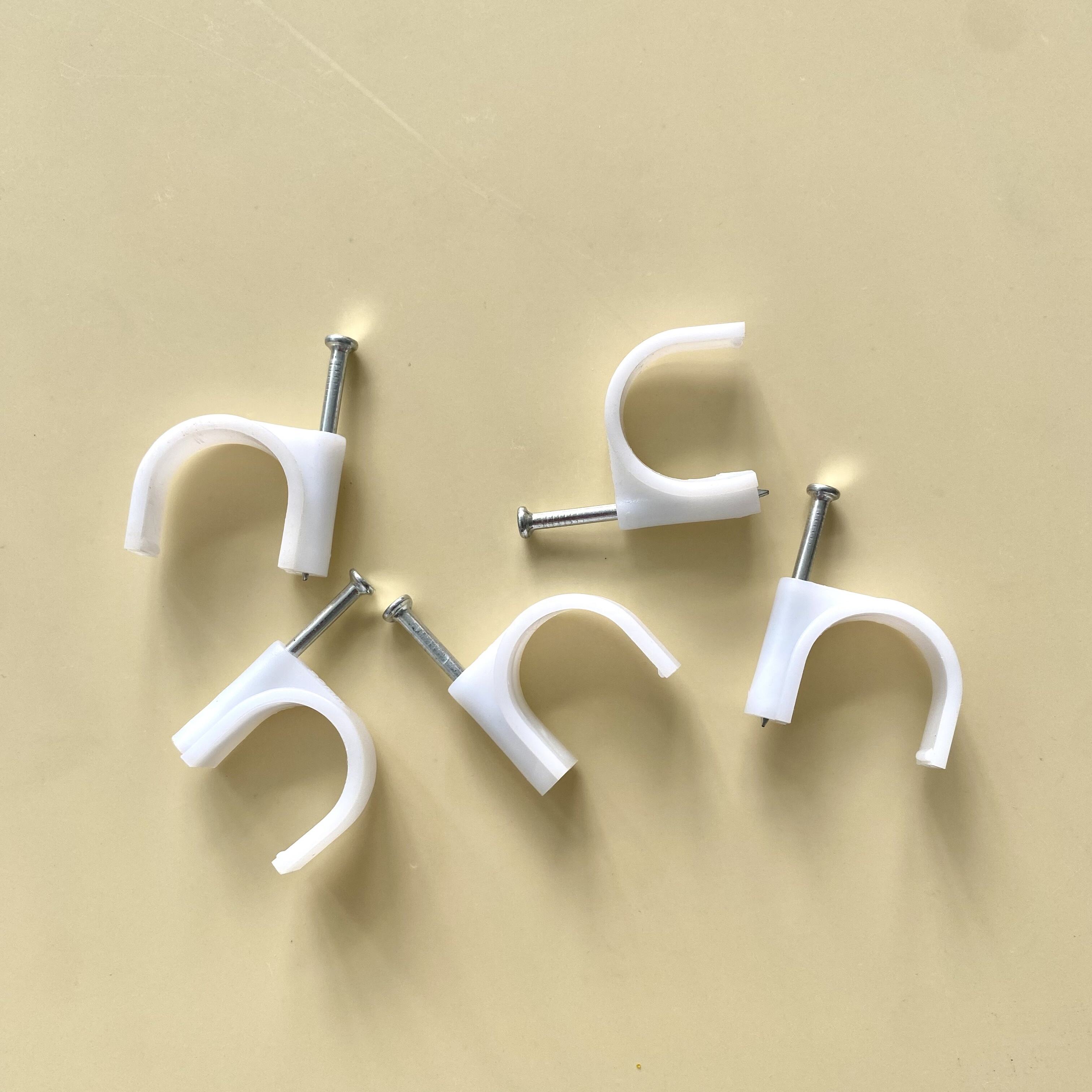
Effective cable management is essential for maintaining organized and professional-looking installations in both residential and commercial environments. Cable clips serve as fundamental components in any wiring system, providing secure mounting solutions that prevent cables from becoming tangled, damaged, or creating safety hazards. Understanding the various types of cable clips available and their specific applications helps ensure optimal performance and longevity of electrical installations.
The selection of appropriate cable clips depends on multiple factors including cable diameter, mounting surface material, environmental conditions, and load requirements. Professional installers and DIY enthusiasts alike benefit from understanding these variables to make informed decisions that enhance system reliability and aesthetic appeal. Modern cable clips incorporate advanced materials and design features that address common installation challenges while providing long-term durability.
Essential Cable Clip Materials and Construction
Plastic Cable Clips for Standard Applications
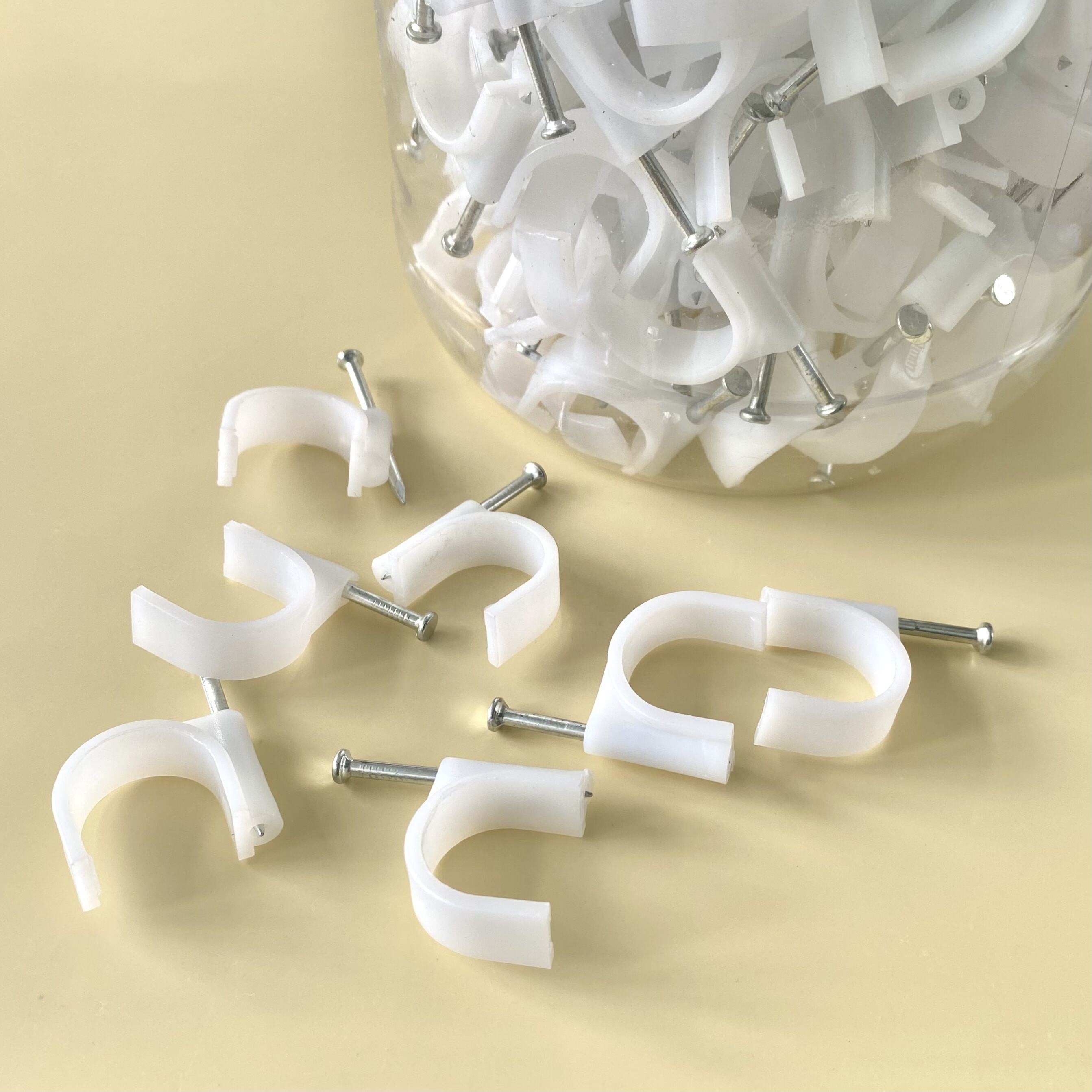
Plastic cable clips represent the most commonly used fastening solution for residential and light commercial applications. These clips typically utilize high-quality nylon or polypropylene materials that offer excellent resistance to UV radiation, moisture, and temperature fluctuations. The inherent flexibility of plastic construction allows for easy installation while maintaining secure grip on cables of various diameters.
Manufacturing processes for plastic cable clips often incorporate reinforcement features such as ribbed internal surfaces and tapered entry points that facilitate cable insertion while preventing accidental disconnection. Color options range from neutral whites and blacks to specialized colors that match specific decor requirements or comply with industry coding standards.
Installation versatility represents a key advantage of plastic cable clips, as they accommodate multiple mounting methods including screw attachment, adhesive backing, and push-through designs for hollow walls. The lightweight nature of plastic construction minimizes stress on mounting surfaces while providing adequate holding strength for typical cable loads.
Metal Cable Clips for Heavy-Duty Applications
Metal cable clips provide superior strength and durability for demanding installations where plastic alternatives may prove inadequate. Stainless steel and galvanized steel constructions offer excellent corrosion resistance, making them suitable for outdoor applications and harsh industrial environments. The rigid structure of metal clips ensures consistent cable positioning even under mechanical stress or thermal expansion conditions.
Professional-grade metal cable clips often feature specialized coatings or treatments that enhance their performance characteristics. Zinc plating, powder coating, and anodized finishes provide additional protection against environmental factors while maintaining aesthetic appeal. These treatments also help prevent galvanic corrosion when metal clips contact dissimilar materials in mixed installations.
Load-bearing capacity significantly exceeds that of plastic alternatives, making metal cable clips ideal for supporting heavy cable bundles or high-tension applications. The precise manufacturing tolerances achievable with metal construction ensure consistent fit and reliable performance across large-scale installations.
Specialized Cable Clip Designs for Specific Applications
Adhesive-Backed Cable Clips for Clean Installations
Adhesive-backed cable clips eliminate the need for drilling or mechanical fasteners, providing clean installation solutions for temporary applications or surfaces where permanent modification is undesirable. High-performance acrylic adhesives offer strong initial tack and develop full bond strength within hours of application, creating reliable long-term attachment.
Surface preparation plays a critical role in adhesive performance, requiring clean, dry, and smooth mounting areas for optimal results. Modern adhesive formulations maintain their holding strength across wide temperature ranges and resist degradation from exposure to common cleaning chemicals and environmental conditions.
Removable adhesive options allow for repositioning or temporary installations without leaving residue on mounting surfaces. These specialized formulations provide adequate holding strength for typical cable loads while permitting clean removal when installation requirements change.
Multi-Cable Cable Clips for Bundle Management
Multi-cable clips accommodate several individual cables or cable bundles within a single mounting point, reducing installation time and hardware requirements. These designs incorporate multiple channels or openings sized to accept standard cable diameters while maintaining organized separation between different circuit types or signal categories.
Spacing considerations within multi-cable clips help prevent electromagnetic interference between adjacent conductors while ensuring adequate airflow for thermal management. Professional installations often utilize cable clips with predetermined spacing that complies with electrical code requirements for conductor separation.
Modular designs allow for field customization of multi-cable clips to accommodate varying cable counts and sizes within a single installation. Snap-together components provide flexibility while maintaining structural integrity and professional appearance.
Installation Techniques and Best Practices
Surface Preparation and Mounting Considerations
Proper surface preparation ensures optimal performance and longevity of cable clips regardless of mounting method selected. Clean surfaces free from dust, grease, and loose material provide the best foundation for both mechanical and adhesive attachment methods. Surface texture and porosity influence adhesive selection and may require specialized primers or bonding agents for optimal results.
Mounting surface material characteristics determine appropriate fastener selection for mechanically attached cable clips. Hollow walls require toggle bolts or expansion anchors, while solid masonry surfaces accommodate concrete screws or expansion bolts. Wood surfaces typically accept standard wood screws with appropriate pilot hole sizing to prevent splitting.
Environmental factors including temperature, humidity, and chemical exposure influence both material selection and installation procedures. Outdoor installations require UV-resistant materials and corrosion-protected fasteners, while indoor applications may prioritize aesthetic considerations and ease of installation.
Cable Routing and Spacing Guidelines
Strategic placement of cable clips ensures proper cable support while minimizing stress on conductors and connection points. Industry standards recommend maximum spacing intervals based on cable type, size, and installation orientation to prevent excessive sag or mechanical strain. Vertical runs typically require closer spacing than horizontal installations due to gravitational effects.
Cable clips should accommodate natural thermal expansion and contraction of conductors without creating binding points or excessive tension. Slight looseness in clip fit allows for normal cable movement while maintaining adequate support and positioning control. This consideration becomes particularly important in applications subject to significant temperature variations.
Bend radius requirements for different cable types influence clip placement around corners and direction changes. Maintaining manufacturer-specified minimum bend radii prevents conductor damage and ensures optimal electrical performance throughout the cable's service life.
Sizing and Capacity Selection Criteria
Cable Diameter and Clip Size Matching
Accurate cable diameter measurement forms the foundation for proper cable clips selection, as oversized clips may allow cable movement while undersized options can damage conductor insulation or impede installation. Standard measurement techniques include using calipers or specialized cable gauges that account for insulation thickness and conductor configuration.
Manufacturer sizing charts typically provide recommended clip sizes for common cable types and dimensions, simplifying the selection process for standard installations. Custom applications may require field verification to ensure proper fit, particularly when dealing with specialized cables or bundled configurations.
Tolerance considerations allow for variations in cable manufacturing and installation conditions while maintaining secure fit. Quality cable clips incorporate design features such as flexible entry points or adjustable clamping mechanisms that accommodate slight dimensional variations without compromising performance.
Load Capacity and Safety Factors
Load capacity specifications for cable clips encompass both static and dynamic loading conditions that may occur during normal service or installation activities. Static loads include the weight of supported cables plus any additional forces from cable tension or environmental factors such as wind loading on outdoor installations.
Dynamic loading considerations account for forces generated during cable installation, maintenance activities, or accidental contact. Professional-grade cable clips incorporate safety factors that ensure reliable performance even when subjected to loads exceeding normal service conditions. These safety margins provide confidence in long-term installation integrity.
Testing standards and certification requirements vary by application and jurisdiction, with some installations requiring clips that meet specific industry standards or regulatory requirements. Understanding these requirements ensures compliance and helps avoid potential liability issues in commercial or industrial applications.
Maintenance and Replacement Considerations
Inspection and Assessment Procedures
Regular inspection of installed cable clips helps identify potential issues before they result in cable damage or system failures. Visual examination should focus on signs of clip degradation, loose mounting, or cable movement that indicates inadequate support. Environmental factors such as UV exposure, chemical contact, or mechanical stress may accelerate clip deterioration and require more frequent inspection intervals.
Documentation of clip locations and installation dates facilitates systematic maintenance programs and helps predict replacement schedules based on service experience. Photographic records of initial installations provide valuable references for identifying changes or potential problems during subsequent inspections.
Performance indicators such as cable positioning, clip integrity, and mounting security help assess the ongoing effectiveness of the cable management system. Early identification of declining performance allows for proactive maintenance that prevents more extensive problems and system downtime.
Upgrade and Modernization Strategies
Evolving technology and changing requirements may necessitate cable clips upgrades or modifications to existing installations. Modern clip designs often offer improved materials, enhanced functionality, or better aesthetic integration that justifies replacement of older systems. Compatibility considerations ensure that new clips work effectively with existing cables and mounting arrangements.
Phased replacement strategies allow for systematic upgrades without disrupting entire installations, particularly important in critical applications where service continuity is essential. Planning replacement activities during scheduled maintenance windows minimizes operational impact while ensuring system improvements are implemented efficiently.
Cost-benefit analysis helps evaluate the economic justification for clip replacement or upgrade projects, considering factors such as improved reliability, reduced maintenance requirements, and enhanced aesthetic appeal. Long-term cost savings from improved performance may offset initial replacement expenses over the system's service life.
FAQ
What factors determine the appropriate cable clip size for my installation
Cable clip sizing depends primarily on the outer diameter of your cables, including insulation thickness. Measure your cables accurately and consult manufacturer sizing charts to select clips that provide secure fit without over-compression. Consider future expansion needs and whether you'll be routing additional cables through the same clips. Environmental conditions and load requirements also influence size selection, as heavy-duty applications may require larger clips with greater holding capacity.
How often should cable clips be inspected and potentially replaced
Inspection frequency depends on installation environment and clip material, but annual visual inspections are recommended for most applications. Outdoor or harsh environment installations may require more frequent checking every six months. Look for signs of UV degradation, cracking, loose mounting, or cable movement indicating clip failure. Plastic cable clips typically last 5-10 years in normal indoor conditions, while metal clips may provide decades of service with proper installation and maintenance.
Can adhesive-backed cable clips support the same loads as screw-mounted versions
Adhesive-backed cable clips generally have lower load capacities compared to mechanically fastened alternatives, making them suitable for lighter cables and temporary installations. High-quality acrylic adhesives can support substantial loads when properly applied to clean, appropriate surfaces. However, for heavy cable bundles or permanent installations subject to vibration or thermal cycling, screw-mounted clips provide superior holding strength and long-term reliability. Always verify adhesive specifications against your specific load requirements.
Are there specific cable clips designed for outdoor weatherproof installations
Yes, specialized outdoor cable clips feature UV-resistant materials, corrosion-proof coatings, and enhanced sealing properties to withstand weather exposure. Stainless steel and UV-stabilized plastics provide excellent durability in outdoor environments. Some designs incorporate gaskets or sealing features that protect cable entry points from moisture infiltration. When selecting outdoor clips, verify IP ratings and temperature specifications match your climate conditions, and ensure mounting hardware also provides appropriate corrosion resistance for long-term performance.
Table of Contents
- Essential Cable Clip Materials and Construction
- Specialized Cable Clip Designs for Specific Applications
- Installation Techniques and Best Practices
- Sizing and Capacity Selection Criteria
- Maintenance and Replacement Considerations
-
FAQ
- What factors determine the appropriate cable clip size for my installation
- How often should cable clips be inspected and potentially replaced
- Can adhesive-backed cable clips support the same loads as screw-mounted versions
- Are there specific cable clips designed for outdoor weatherproof installations