 EN
EN


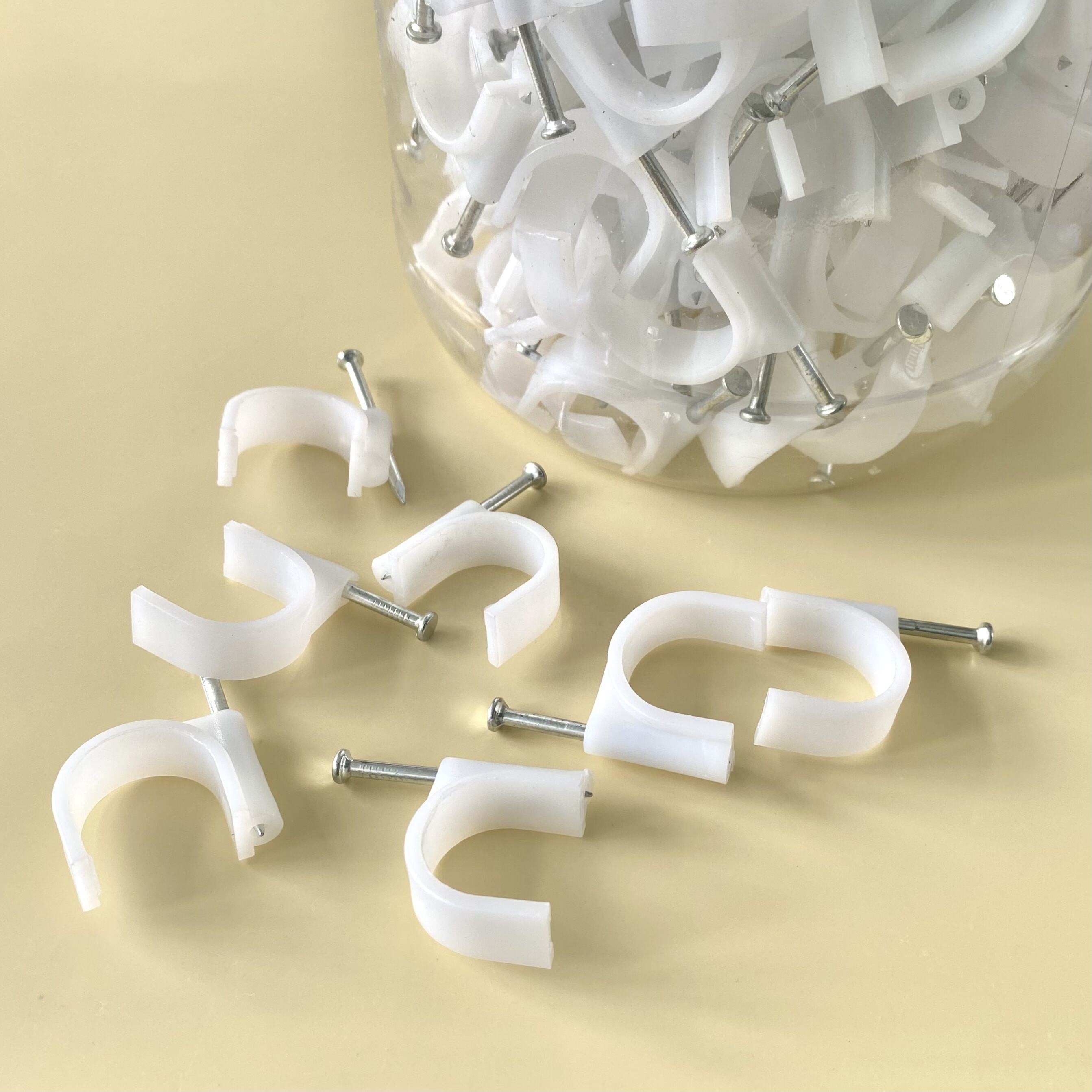
Modern electrical installations require systematic organization to ensure safety, efficiency, and professional appearance. Cable clips serve as fundamental components in creating structured wiring systems that protect both personnel and equipment while maintaining accessibility for maintenance and upgrades. These versatile fastening solutions have revolutionized how professionals approach cable management across residential, commercial, and industrial environments.
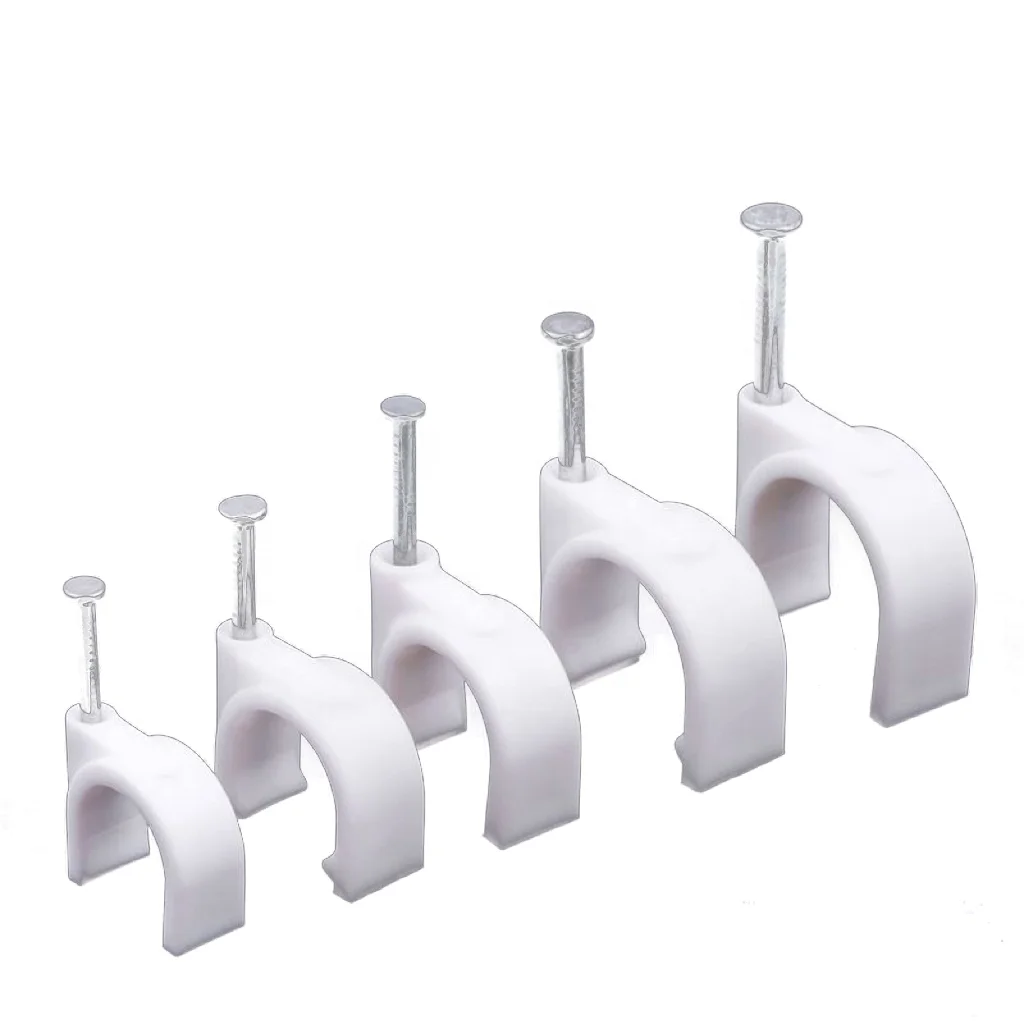
Professional electricians and facility managers understand that proper cable routing directly impacts system reliability and operational efficiency. Cable clips provide the structural foundation for organized installations, preventing the chaotic tangles that characterize poorly planned electrical systems. When cables are properly secured using appropriate fastening methods, the entire installation benefits from improved longevity and reduced maintenance requirements.
The implementation of effective cable management strategies extends beyond simple organization, encompassing critical safety considerations that protect both equipment and personnel. Well-organized wiring systems reduce fire hazards, minimize electromagnetic interference, and ensure compliance with electrical codes and regulations. These factors make cable clips essential components in any professional electrical installation.
Essential Safety Benefits of Organized Cable Management
Fire Prevention Through Proper Cable Securing
Electrical fires often originate from improperly secured cables that experience excessive movement, abrasion, or heat buildup. Cable clips eliminate these risks by maintaining consistent spacing between conductors and preventing cables from contacting hot surfaces or sharp edges. When cables are properly secured, they maintain their intended routing even under thermal expansion and contraction cycles.
Professional installations utilizing quality cable clips demonstrate significantly lower fire incident rates compared to systems with loose or improperly secured wiring. The clips maintain proper bend radii for cables, preventing stress concentrations that could damage insulation over time. This protective function becomes particularly critical in high-temperature environments where thermal cycling places additional stress on cable assemblies.
Personnel Safety and Accessibility Improvements
Organized cable routing using appropriate fastening systems dramatically improves workplace safety by eliminating trip hazards and creating clear pathways for personnel movement. Cable clips ensure that wiring remains elevated and secured away from foot traffic areas, reducing the risk of accidental contact or damage. This organization proves especially valuable in industrial settings where heavy machinery and frequent personnel movement create challenging environmental conditions.
Emergency response situations benefit significantly from well-organized electrical systems where cable clips maintain clear identification and routing patterns. First responders can quickly locate and isolate electrical systems when cables follow predictable, well-marked pathways. This accessibility can prove critical during emergency shutdowns or repair operations where time constraints demand rapid system assessment.
Professional Installation Standards and Best Practices
Code Compliance and Regulatory Requirements
Electrical codes across different jurisdictions specify minimum requirements for cable support and securing, with cable clips serving as primary means of achieving compliance. The National Electrical Code and international standards establish specific spacing requirements for cable supports, typically ranging from 12 to 54 inches depending on cable type and installation environment. Professional electricians rely on standardized cable clips to meet these requirements consistently.
Inspection authorities evaluate cable management systems during both initial installations and periodic safety assessments. Systems utilizing properly installed cable clips demonstrate clear compliance with established standards, facilitating smoother inspection processes and reducing the likelihood of costly remediation requirements. This compliance becomes particularly important in commercial and industrial facilities where regulatory oversight is more stringent.
Quality Standards and Material Specifications
Professional-grade cable clips must meet specific material and performance standards to ensure long-term reliability in demanding applications. High-quality clips feature UV-resistant materials, appropriate temperature ratings, and sufficient mechanical strength to support intended cable loads without degradation. These specifications become critical in outdoor installations or environments with extreme temperature variations.
Installation professionals evaluate cable clips based on their compatibility with specific cable types, environmental conditions, and mounting surfaces. Quality clips provide secure retention without over-constraining cables, allowing for normal thermal expansion while preventing excessive movement. This balance requires precise engineering and quality manufacturing processes that distinguish professional-grade products from inferior alternatives.
Types and Applications of Cable Management Solutions
Adhesive-Mount Cable Clips for Versatile Installations
Adhesive-mounted cable clips offer exceptional versatility for applications where drilling or mechanical fastening is impractical or undesirable. These clips utilize advanced adhesive technologies that provide strong, permanent bonds to various surface materials including metal, plastic, glass, and painted surfaces. The installation process requires no tools, making them ideal for retrofit applications or situations with limited access.
Professional installations benefit from adhesive cable clips in applications such as equipment cabinets, vehicle wiring, and temporary installations where permanent modifications are not permitted. The clips provide reliable cable retention while maintaining the option for future reconfiguration without surface damage. Quality adhesive clips maintain their holding strength across wide temperature ranges and resist environmental factors such as humidity and chemical exposure.
Screw-Mount and Nail-In Cable Clips for Permanent Installations
Mechanical fastening systems provide maximum security for permanent cable installations where high reliability is paramount. Screw-mount cable clips offer adjustable retention force and can accommodate various cable diameters within their design range. These clips work particularly well in applications where cables may require periodic reconfiguration or where environmental conditions exceed the capabilities of adhesive systems.
Nail-in cable clips provide rapid installation in wood framing applications, making them popular choices for residential and light commercial wiring projects. Professional electricians appreciate their speed of installation while maintaining secure cable retention throughout the service life of the installation. The clips feature integrated fasteners that eliminate the need for separate hardware while providing consistent installation depth and retention force.
Environmental Considerations and Durability Factors
Weather Resistance and Outdoor Applications
Outdoor electrical installations face unique challenges that require specialized cable clips designed to withstand environmental exposure. UV radiation, temperature cycling, moisture, and chemical exposure can rapidly degrade inferior cable clips, leading to system failures and safety hazards. Professional-grade outdoor cable clips incorporate UV-stabilized materials and corrosion-resistant components that maintain their properties throughout extended exposure periods.
Marine and coastal installations present particularly challenging environments where salt spray and high humidity accelerate corrosion processes. Specialized cable clips for these applications feature marine-grade materials and coatings that resist galvanic corrosion and maintain electrical insulation properties. These installations require careful selection of compatible materials to prevent galvanic reactions between different metal components.
Chemical Resistance and Industrial Applications
Industrial facilities often expose cable management systems to aggressive chemicals, solvents, and process fluids that can attack conventional plastic materials. Chemical-resistant cable clips utilize specialized polymer formulations that maintain their structural integrity and electrical properties when exposed to industrial chemicals. These applications require careful evaluation of potential chemical exposures during the design phase to ensure appropriate material selection.
Food processing and pharmaceutical facilities require cable clips that meet strict hygiene standards while resisting cleaning chemicals and sanitizing agents. FDA-approved materials and smooth surfaces that resist bacterial growth become essential requirements in these applications. The clips must maintain their properties through repeated exposure to high-temperature cleaning cycles and aggressive sanitizing chemicals.
Installation Techniques and Best Practices
Surface Preparation and Mounting Considerations
Successful cable clip installations begin with proper surface preparation that ensures maximum adhesion or mechanical fastening strength. Clean, dry surfaces provide optimal bonding conditions for adhesive-mount cable clips, while mechanical fastening systems require appropriate pilot holes and fastener selection based on substrate materials. Professional installers follow systematic preparation procedures that eliminate contamination and ensure consistent installation quality.
Temperature conditions during installation significantly impact the performance of both adhesive and mechanical fastening systems. Adhesive cable clips achieve maximum bond strength when installed within specified temperature ranges, typically between 60 and 80 degrees Fahrenheit. Cold weather installations may require surface warming or alternative fastening methods to achieve reliable results.
Cable Routing Planning and System Design
Effective cable management systems require comprehensive planning that considers current installation requirements and future expansion needs. Cable clips should be positioned to maintain proper bend radii, provide adequate support spacing, and allow for thermal expansion without creating stress concentrations. Professional installations incorporate service loops and access points that facilitate maintenance and system modifications.
System documentation becomes crucial for complex installations where multiple cable types follow different routing paths. Cable clips with identification features or color-coding capabilities help maintain system organization and facilitate troubleshooting activities. Clear documentation of cable routing and clip locations supports efficient maintenance operations and future system modifications.
Cost-Effectiveness and Long-Term Value
Initial Investment Versus Long-Term Benefits
Quality cable clips represent a modest initial investment that delivers substantial long-term value through reduced maintenance costs and improved system reliability. Properly secured cables experience less mechanical stress and environmental exposure, extending their service life and reducing replacement frequency. The clips also facilitate more efficient maintenance procedures by providing organized access to system components.
Insurance considerations favor well-organized electrical installations that demonstrate professional cable management practices. Systems utilizing appropriate cable clips may qualify for reduced premiums due to their lower fire risk profiles and improved accessibility for emergency response. These savings can offset the initial cost of quality cable management components over the system's service life.
Maintenance Efficiency and System Reliability
Organized cable systems significantly reduce troubleshooting time when system problems occur. Cable clips maintain clear routing patterns that allow technicians to quickly trace circuits and identify problem areas. This efficiency becomes particularly valuable in critical systems where downtime costs far exceed the investment in proper cable management infrastructure.
Preventive maintenance programs benefit from organized cable systems that provide clear access to inspection points and connection locations. Cable clips keep systems accessible while protecting cables from damage during routine maintenance activities. This protection reduces the likelihood of maintenance-induced failures that could compromise system reliability.
FAQ
What factors determine the proper spacing for cable clips in electrical installations
Cable clip spacing depends on cable type, size, environmental conditions, and applicable electrical codes. Typical spacing ranges from 12 to 54 inches, with heavier cables requiring closer support spacing. Environmental factors such as vibration, temperature cycling, and mechanical stress may necessitate reduced spacing to maintain adequate support. Professional installers consult manufacturer specifications and local codes to determine appropriate spacing for specific applications.
How do adhesive cable clips compare to mechanical fastening systems in terms of reliability
Adhesive cable clips provide excellent reliability when properly installed on appropriate surfaces and within their environmental limitations. They offer advantages in applications where drilling is impractical and provide vibration dampening properties. Mechanical fastening systems typically offer higher holding strength and better performance in extreme environmental conditions. The choice depends on specific application requirements, environmental conditions, and accessibility constraints.
Can cable clips accommodate different cable sizes within the same installation
Many cable clips feature adjustable designs or multiple cable channels that accommodate various cable sizes within a single installation. Some clips provide separate channels for different cable types, helping maintain proper separation between power and control cables. Professional installations may utilize different clip types optimized for specific cable sizes to ensure proper retention without over-constraining smaller cables.
What maintenance requirements apply to cable clip systems after installation
Cable clip systems require periodic inspection to verify continued adhesion or mechanical fastening integrity, particularly in demanding environmental conditions. Inspections should check for clip damage, cable wear at contact points, and proper cable retention. Outdoor installations may require more frequent inspection due to weather exposure. Documentation of inspection results helps track system condition and plan preventive maintenance activities.
Table of Contents
- Essential Safety Benefits of Organized Cable Management
- Professional Installation Standards and Best Practices
- Types and Applications of Cable Management Solutions
- Environmental Considerations and Durability Factors
- Installation Techniques and Best Practices
- Cost-Effectiveness and Long-Term Value
-
FAQ
- What factors determine the proper spacing for cable clips in electrical installations
- How do adhesive cable clips compare to mechanical fastening systems in terms of reliability
- Can cable clips accommodate different cable sizes within the same installation
- What maintenance requirements apply to cable clip systems after installation