 EN
EN


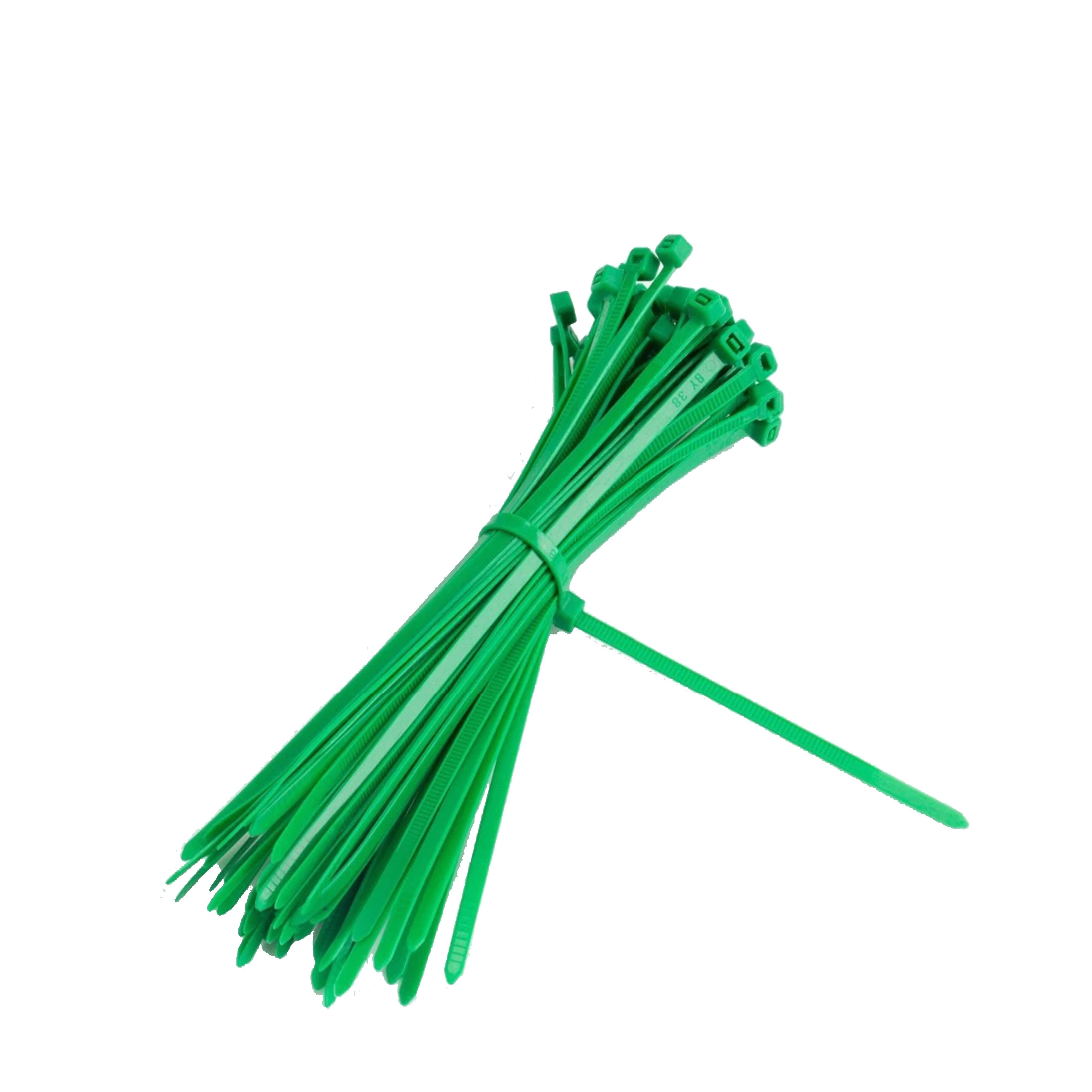
Outdoor electrical installations face constant exposure to harsh environmental conditions, making the selection of appropriate fastening solutions crucial for long-term reliability. UV-resistant cable ties have emerged as an indispensable component for professionals working in telecommunications, construction, and industrial sectors where cables must withstand prolonged sun exposure. These specialized fasteners offer superior durability compared to standard cable ties, ensuring that outdoor installations maintain their integrity across seasons and weather conditions. The importance of choosing the right cable management solution cannot be overstated when considering the potential costs associated with system failures, maintenance, and replacement in challenging outdoor environments.
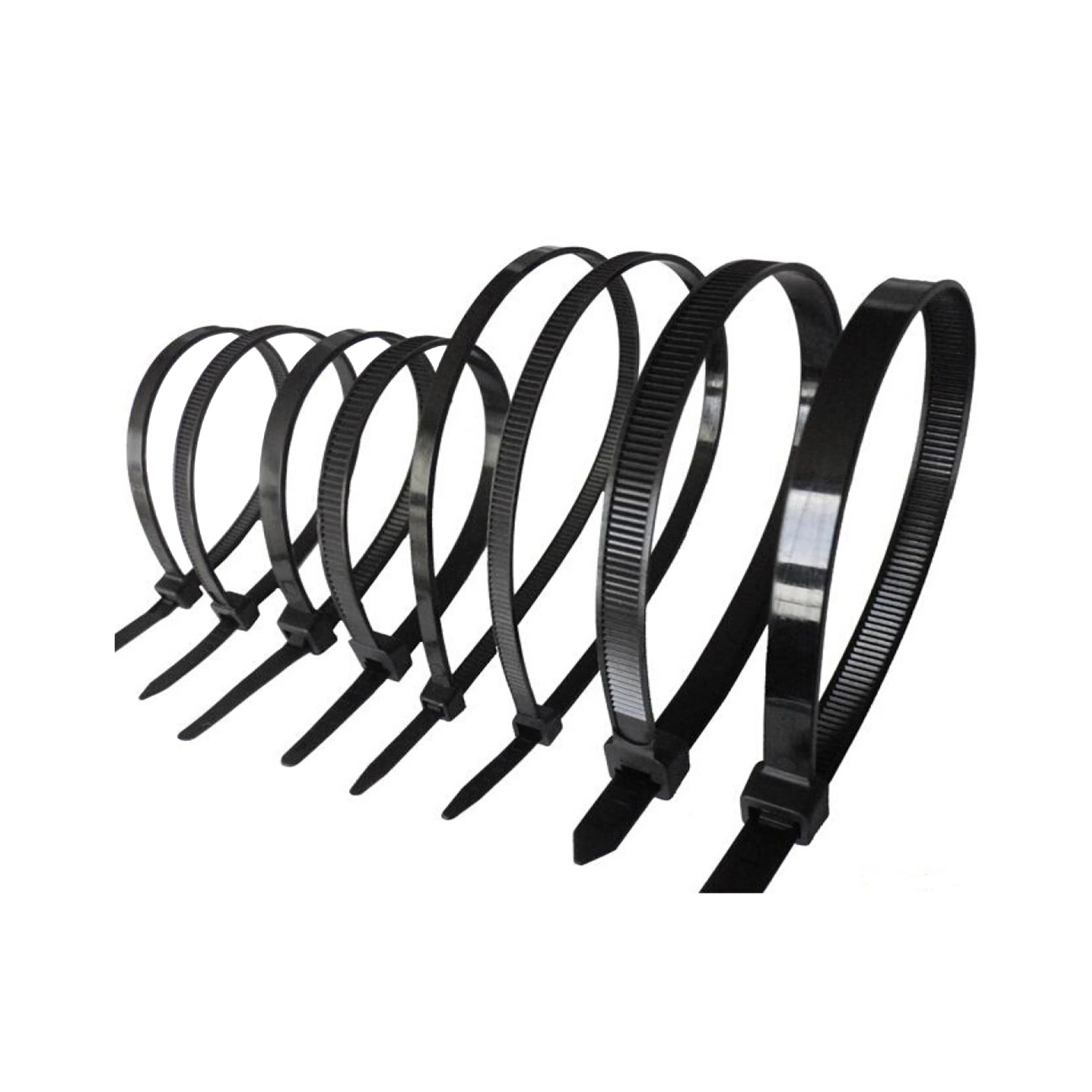
Understanding UV Degradation in Standard Cable Ties
The Science Behind UV Damage
Ultraviolet radiation from sunlight breaks down the molecular structure of standard nylon and plastic materials commonly used in conventional cable ties. This photodegradation process causes the material to become brittle, discolored, and significantly weakened over time. The polymer chains that give cable ties their flexibility and tensile strength begin to fragment when exposed to UV rays, leading to catastrophic failure often without warning. Understanding this degradation mechanism is essential for professionals who need to specify appropriate materials for outdoor applications where UV-resistant cable ties become the logical choice.
Timeline of Material Deterioration
Standard cable ties can begin showing signs of UV damage within just a few months of outdoor exposure, depending on geographic location and sun intensity. In high-altitude or desert environments, this deterioration accelerates dramatically, with some standard ties failing within weeks. The visual indicators include chalky surface appearance, color fading, and surface cracking, but internal structural damage often precedes these visible signs. Professional installers have documented cases where entire cable management systems failed simultaneously due to UV degradation, emphasizing why UV-resistant cable ties are considered essential for any outdoor installation project.
Material Composition and Manufacturing Excellence
Advanced Polymer Formulations
UV-resistant cable ties utilize specially formulated nylon compounds that incorporate carbon black and UV stabilizers directly into the polymer matrix. These additives absorb and dissipate harmful UV radiation before it can damage the underlying molecular structure of the material. The manufacturing process ensures uniform distribution of these protective agents throughout the cable tie, creating consistent protection that doesn't wear away or degrade over time. This advanced formulation technology allows UV-resistant cable ties to maintain their mechanical properties and appearance even after years of continuous sun exposure.
Quality Control and Testing Standards
Reputable manufacturers subject their UV-resistant cable ties to rigorous accelerated weathering tests that simulate years of outdoor exposure in controlled laboratory conditions. These tests typically involve exposure to high-intensity UV lamps, temperature cycling, and humidity variations to evaluate long-term performance characteristics. Quality UV-resistant cable ties must pass standardized tests such as ASTM D4329 or ISO 4892, which verify their ability to maintain tensile strength and flexibility after extended UV exposure. Professional specifiers should always verify that their chosen products meet these industry standards to ensure reliable performance in demanding outdoor applications.
Performance Advantages in Outdoor Applications
Enhanced Durability and Longevity
The primary advantage of UV-resistant cable ties lies in their exceptional longevity when exposed to outdoor conditions. While standard cable ties may require replacement within one to two years, properly specified UV-resistant alternatives can provide reliable service for five to ten years or more. This extended service life translates directly into reduced maintenance costs, fewer system interruptions, and improved overall reliability for critical installations. The consistent performance of UV-resistant cable ties over time makes them particularly valuable in applications where access for maintenance is difficult or expensive.
Temperature Stability and Flexibility
Beyond UV protection, these specialized cable ties maintain their flexibility across wide temperature ranges, from extreme cold to high heat conditions commonly encountered in outdoor environments. The advanced polymer formulations resist becoming brittle in winter conditions while maintaining their tensile strength during summer heat waves. This temperature stability ensures that UV-resistant cable ties continue to securely hold cables and components regardless of seasonal temperature variations. Professional installers appreciate this consistent performance characteristic when designing systems that must operate reliably year-round.
Application Considerations and Best Practices
Proper Installation Techniques
Successful deployment of UV-resistant cable ties requires attention to proper installation techniques that maximize their performance advantages. Installers should avoid over-tightening, which can create stress concentrations that may lead to premature failure even in UV-resistant materials. The optimal installation approach involves tightening to manufacturer specifications while ensuring adequate strain relief at connection points. Additionally, proper routing and support of cable bundles helps distribute mechanical loads evenly across multiple UV-resistant cable ties rather than concentrating stress on individual fasteners.
Environmental Factor Assessment
Different outdoor environments present varying challenges that influence the selection and application of UV-resistant cable ties. Coastal installations must consider salt spray and humidity effects, while desert applications prioritize extreme temperature cycling and intense UV exposure. Mountain installations face unique challenges from altitude-enhanced UV intensity and rapid temperature changes. Professional installers should evaluate these environmental factors comprehensively to select UV-resistant cable ties with appropriate specifications for their specific application requirements and expected service life.
Economic Benefits and Cost Analysis
Lifecycle Cost Considerations
While UV-resistant cable ties typically cost more initially than standard alternatives, their extended service life provides significant economic advantages over the installation lifecycle. The reduced frequency of replacement translates directly into lower labor costs, fewer material purchases, and decreased system downtime. For commercial and industrial installations, the cost of accessing outdoor cable runs for maintenance often exceeds the material cost differential many times over. Comprehensive lifecycle cost analysis consistently demonstrates that UV-resistant cable ties provide superior value despite their higher upfront investment.
Risk Mitigation and Reliability
The enhanced reliability of UV-resistant cable ties reduces operational risks associated with unexpected failures in critical systems. Telecommunications providers, for example, cannot afford service interruptions due to cable tie failures that could affect customer communications. Similarly, industrial facilities depend on reliable outdoor cable management for safety systems and production equipment. The predictable performance characteristics of UV-resistant cable ties allow facility managers to plan maintenance schedules proactively rather than responding to emergency failures that disrupt operations and increase costs.
Selection Criteria and Specifications
Technical Performance Parameters
Specifying appropriate UV-resistant cable ties requires careful evaluation of technical parameters including tensile strength, operating temperature range, and UV exposure ratings. Professional installers should verify that selected products meet or exceed the mechanical requirements of their specific application while providing adequate UV protection for the expected installation environment. The cable tie's locking mechanism must also demonstrate reliable performance after UV exposure, as some designs may experience reduced holding strength even when the base material remains intact. Comprehensive technical documentation from manufacturers helps ensure proper product selection for demanding outdoor applications.
Certification and Compliance Requirements
Many outdoor installations must comply with industry-specific standards and regulations that may specify requirements for cable management materials. UV-resistant cable ties used in telecommunications installations, for example, may need to meet Telcordia or similar standards for outdoor plant equipment. Electrical installations might require UL listing or other safety certifications that verify flame resistance and electrical properties. Professional specifiers should verify that their chosen UV-resistant cable ties carry appropriate certifications for their intended application to ensure regulatory compliance and optimal performance.
FAQ
How long do UV-resistant cable ties last compared to standard ones
UV-resistant cable ties typically provide 5-10 years of reliable service in outdoor applications, compared to 1-2 years for standard cable ties. The exact lifespan depends on geographic location, sun intensity, and environmental conditions, but the advanced polymer formulations used in UV-resistant cable ties consistently outperform standard materials by a factor of three to five times in accelerated weathering tests and real-world installations.
Can UV-resistant cable ties be used indoors without any issues
Yes, UV-resistant cable ties perform excellently in indoor applications and often provide enhanced durability compared to standard alternatives. The UV stabilizers and advanced polymer formulations that protect against sun damage also contribute to improved chemical resistance and temperature stability indoors. While the UV protection features may not be necessary inside, the overall material quality makes UV-resistant cable ties a premium choice for any demanding application.
What is the cost difference between UV-resistant and standard cable ties
UV-resistant cable ties typically cost 20-40% more than standard alternatives initially, but this investment is quickly recovered through reduced replacement frequency and maintenance costs. For outdoor installations, the lifecycle cost analysis consistently favors UV-resistant cable ties due to their extended service life and improved reliability. The exact cost differential varies by manufacturer, quantity, and specific product specifications.
Are there different grades of UV resistance available
Yes, manufacturers offer various grades of UV resistance designed for different exposure levels and application requirements. Light-duty UV-resistant cable ties may be suitable for partially shaded outdoor locations, while heavy-duty formulations are designed for continuous direct sun exposure in harsh environments. Professional installers should match the UV resistance grade to their specific application requirements to optimize performance and cost-effectiveness for each installation project.