 EN
EN


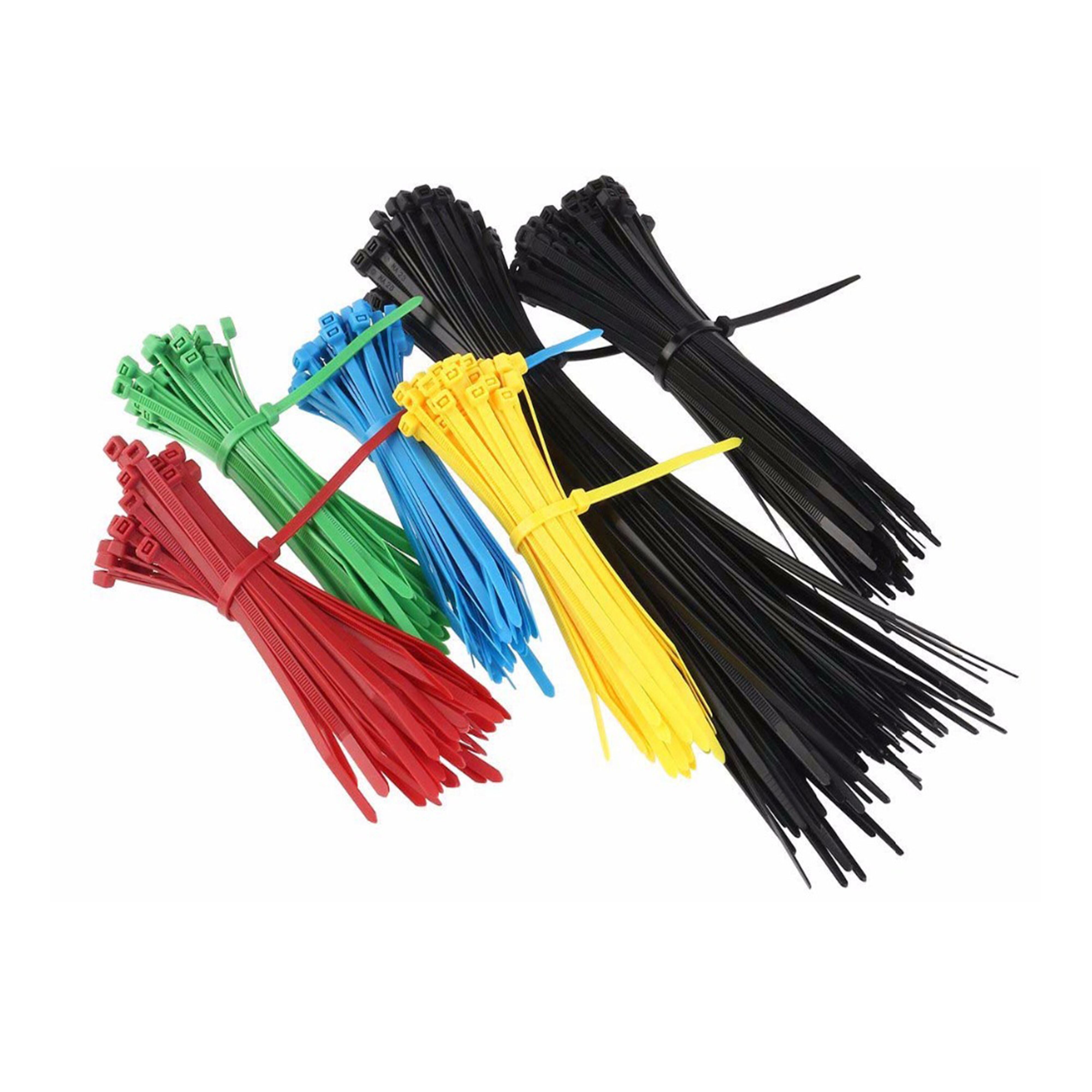
Large equipment setups in industrial environments demand precise organization and efficient cable management solutions to maintain operational safety and reliability. Cable ties serve as fundamental components in managing complex wiring systems, ensuring that electrical connections remain secure while reducing maintenance requirements. Professional installation teams consistently rely on cable ties to streamline their workflow and create organized, accessible equipment configurations that meet industry standards.
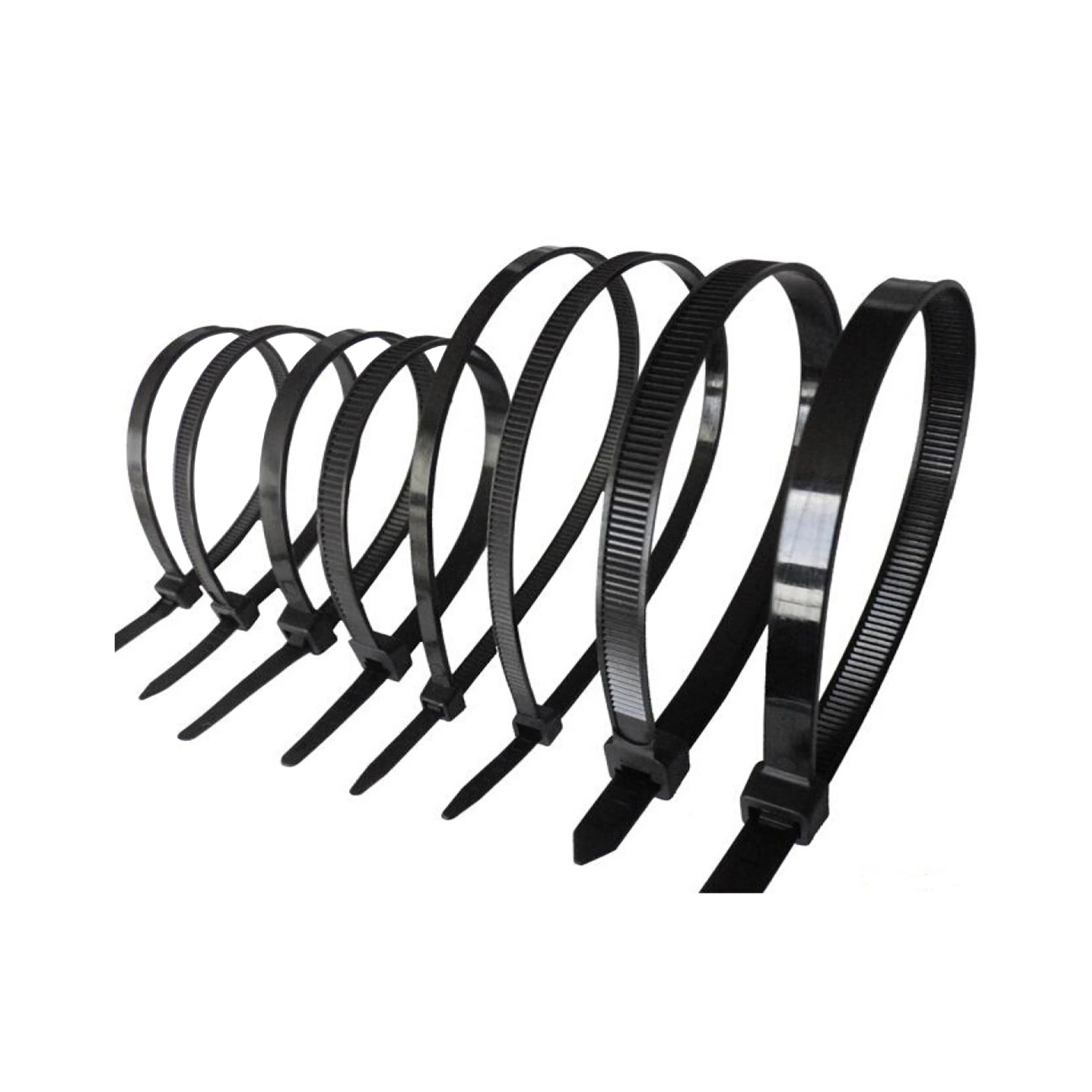
The strategic implementation of cable ties in large-scale installations transforms chaotic wiring scenarios into methodical, maintainable systems. These versatile fastening solutions accommodate various cable diameters and environmental conditions, making them indispensable for telecommunications, manufacturing, and data center applications. Understanding the comprehensive benefits of cable ties enables equipment managers to make informed decisions about their organizational strategies and long-term maintenance protocols.
Essential Cable Management Principles for Large Installations
Strategic Planning and Layout Design
Effective cable management begins with comprehensive planning that considers current requirements alongside future expansion possibilities. Cable ties play a crucial role in maintaining organized pathways that accommodate additional wiring without disrupting existing systems. Professional installers evaluate cable routing requirements and identify optimal locations for tie points that provide adequate support while allowing accessibility for maintenance procedures.
The selection of appropriate cable ties depends on environmental factors including temperature variations, chemical exposure, and mechanical stress levels. Heavy-duty installations require cable ties with enhanced tensile strength and UV resistance to ensure long-term performance in challenging conditions. Strategic placement of cable ties at regular intervals prevents cable sagging and reduces stress on connection points, contributing to overall system reliability and longevity.
Load Distribution and Support Systems
Proper load distribution using cable ties prevents individual cables from bearing excessive weight that could compromise their integrity or performance. Large equipment setups often involve multiple cable runs with varying weights and diameters, requiring careful consideration of support spacing and tie selection. Cable ties distribute mechanical loads across multiple support points, reducing stress concentrations that could lead to premature failure or safety hazards.
Advanced cable tie designs incorporate features such as mounting holes and integrated anchoring systems that enhance their effectiveness in complex installations. These specialized cable ties provide superior holding power while maintaining the flexibility needed for thermal expansion and vibration resistance. Understanding the mechanical properties of different cable tie materials enables installers to select optimal solutions for specific load requirements and environmental conditions.
Advanced Organization Techniques Using Cable Ties
Color Coding and Identification Systems
Implementing color-coded cable ties creates visual identification systems that significantly reduce troubleshooting time and improve maintenance efficiency. Large equipment setups benefit from systematic color schemes that distinguish between power, data, and control cables, enabling technicians to quickly locate specific circuits without extensive tracing. Cable ties in various colors provide an economical method for creating comprehensive labeling systems that remain visible and durable throughout the equipment lifecycle.
Professional cable management standards often specify color coding requirements for different cable types and voltage levels, making cable ties an essential component of compliance strategies. The consistent application of colored cable ties throughout an installation creates intuitive navigation systems that reduce human error and improve safety protocols. Documentation systems can reference color codes to provide clear instructions for maintenance procedures and future modifications.
Bundling and Separation Strategies
Effective cable bundling using cable ties requires understanding of electromagnetic interference considerations and thermal management principles. Signal cables must be appropriately separated from power conductors to prevent interference, while cable ties provide the necessary spacing and organization to maintain these critical separations. Strategic bundling reduces the overall footprint of cable installations while maintaining accessibility for individual cable replacement or modification.
The tensioning characteristics of cable ties must be carefully controlled to avoid compression damage to sensitive cables while providing adequate restraint for mechanical stability. Professional installation techniques involve graduated tensioning that secures cables without exceeding manufacturer specifications for bend radius or compression limits. Cable ties with adjustable tensioning mechanisms offer enhanced control for delicate applications requiring precise cable positioning.
Material Selection and Performance Considerations
Environmental Resistance Properties
The selection of cable ties with appropriate environmental resistance ensures long-term performance in challenging industrial conditions. UV-resistant formulations prevent degradation in outdoor installations or high-intensity lighting environments, while chemical-resistant cable ties maintain their properties when exposed to cleaning agents or process chemicals. Temperature ratings must match the operating environment to prevent brittleness in cold conditions or softening in high-temperature applications.
Flame-retardant cable ties provide additional safety margins in applications where fire risk requires enhanced precautions. These specialized cable ties meet stringent flammability standards while maintaining mechanical properties necessary for reliable cable management. The selection process should consider regulatory requirements and industry standards that specify material properties for specific applications or environments.
Mechanical Strength and Durability Factors
Tensile strength ratings of cable ties must exceed the expected loads in large equipment installations to provide adequate safety margins and prevent unexpected failures. High-strength cable ties accommodate heavy cable bundles and provide secure anchoring points for overhead installations where gravity loads are significant. The relationship between cable tie width, thickness, and material composition determines ultimate strength characteristics and suitability for specific applications.
Fatigue resistance becomes critical in installations subject to vibration or thermal cycling that creates repetitive stress patterns. Cable ties designed for dynamic applications incorporate material formulations and geometry features that resist crack propagation and maintain integrity under cyclic loading conditions. Understanding these performance characteristics enables proper specification of cable ties for applications with demanding mechanical requirements.
Installation Best Practices and Techniques
Proper Tensioning and Securing Methods
Achieving optimal cable tie tension requires balancing security with cable protection to prevent damage while ensuring reliable restraint. Installation tools designed specifically for cable ties provide consistent tensioning and eliminate excess material that could create snag hazards or interference with adjacent equipment. Professional installers develop tensioning techniques that account for cable type, bundle size, and environmental factors that affect long-term performance.
The orientation and positioning of cable ties influence their effectiveness and longevity in large equipment installations. Proper alignment ensures that cable ties engage smoothly without creating stress concentrations or potential failure points. Installation procedures should specify cable tie orientation requirements to maintain consistent quality and appearance throughout complex installations.
Maintenance Access and Future Modifications
Strategic placement of cable ties must consider future maintenance requirements and potential system modifications that may require cable access or replacement. Removable cable ties provide flexibility for installations requiring frequent modifications while maintaining organizational benefits during normal operations. The selection between permanent and removable cable ties depends on the expected maintenance frequency and system modification requirements.
Documentation systems should record cable tie locations and specifications to facilitate future maintenance activities and ensure replacement compatibility. Maintenance procedures benefit from standardized cable tie selection that simplifies inventory management and reduces the variety of spare parts required for ongoing operations. Consistent application of cable ties throughout an installation creates predictable maintenance requirements and procedures.
Cost-Effective Solutions and Long-Term Benefits
Initial Investment versus Lifecycle Value
The initial cost of high-quality cable ties represents a minimal investment compared to the long-term benefits of reduced maintenance requirements and improved system reliability. Premium cable ties with enhanced material properties and design features provide superior performance that justifies higher initial costs through extended service life and reduced replacement frequency. Economic analysis should consider total cost of ownership including installation labor, maintenance activities, and potential system downtime costs.
Bulk purchasing strategies for cable ties can achieve significant cost savings while ensuring consistent quality and availability for large installations. Standardization on specific cable tie types and sizes simplifies inventory management and reduces procurement complexity. The economic benefits of cable ties extend beyond material costs to include improved installation efficiency and reduced troubleshooting time.
Operational Efficiency and Safety Improvements
Organized cable management using cable ties directly contributes to operational efficiency by reducing the time required for maintenance activities and system modifications. Well-organized installations enable faster problem identification and resolution, minimizing equipment downtime and associated costs. Cable ties create safer working environments by eliminating loose cables that could create trip hazards or interfere with equipment operation.
The standardization enabled by systematic cable tie usage improves training effectiveness and reduces the learning curve for new maintenance personnel. Consistent organization methods create predictable work environments that enhance safety protocols and reduce the risk of errors during maintenance procedures. These operational benefits compound over time to provide substantial value beyond the initial cable tie investment.
FAQ
What factors should be considered when selecting cable ties for large equipment installations
Selection criteria for cable ties in large installations include environmental conditions such as temperature extremes, chemical exposure, and UV radiation levels. Mechanical requirements including tensile strength, bundle capacity, and vibration resistance must match the specific application demands. Material compatibility with existing equipment and regulatory compliance requirements also influence the selection process for optimal long-term performance.
How do cable ties improve maintenance efficiency in complex equipment setups
Cable ties create organized cable routing systems that enable rapid identification of specific circuits during troubleshooting activities. Color-coded cable ties provide visual navigation aids that reduce the time required to locate particular cables or connections. The systematic organization facilitated by cable ties minimizes the disruption caused by maintenance activities and reduces the risk of accidentally disturbing adjacent systems.
What are the key differences between standard and heavy-duty cable ties
Heavy-duty cable ties feature enhanced material formulations with higher tensile strength ratings and improved resistance to environmental factors such as temperature extremes and chemical exposure. The geometry and locking mechanisms of heavy-duty cable ties provide superior holding power for large cable bundles and demanding applications. These enhanced characteristics justify their use in critical installations where failure could result in significant operational disruption or safety concerns.
How can cable ties contribute to regulatory compliance in industrial installations
Cable ties help maintain proper cable separation distances required by electrical codes and safety standards, preventing interference between different circuit types. Fire-rated cable ties meet flammability requirements specified in building codes and industrial safety regulations. The organizational structure provided by systematic cable tie usage facilitates inspection procedures and demonstrates compliance with maintenance and documentation requirements.
Table of Contents
- Essential Cable Management Principles for Large Installations
- Advanced Organization Techniques Using Cable Ties
- Material Selection and Performance Considerations
- Installation Best Practices and Techniques
- Cost-Effective Solutions and Long-Term Benefits
-
FAQ
- What factors should be considered when selecting cable ties for large equipment installations
- How do cable ties improve maintenance efficiency in complex equipment setups
- What are the key differences between standard and heavy-duty cable ties
- How can cable ties contribute to regulatory compliance in industrial installations